In the Regency era, hot air ballooning captured the public’s imagination as a symbol of scientific progress and human ingenuity. The sight of a balloon ascending into the sky was both awe-inspiring and revolutionary, representing the era’s fascination with exploration, innovation, and the possibilities of flight. Ballooning became a popular form of entertainment, as well as a subject of scientific inquiry, reflecting the Regency era’s blend of curiosity and ambition.
The Origins of Ballooning
The first manned hot air balloon flight took place in France in 1783, just a few decades before the Regency era. The invention of the balloon by the Montgolfier brothers sparked a wave of enthusiasm across Europe, as people marvelled at the idea of human flight. By the early 19th century, ballooning had become a popular spectacle in England, with public demonstrations drawing large crowds.
Balloonists, or ‘aeronauts,’ became celebrities, celebrated for their daring and skill. They performed elaborate ascents, often accompanied by music, fireworks, and other forms of entertainment. Ballooning was not just a scientific achievement; it was also a form of theatre, combining drama, danger, and wonder.
The Appeal of Ballooning
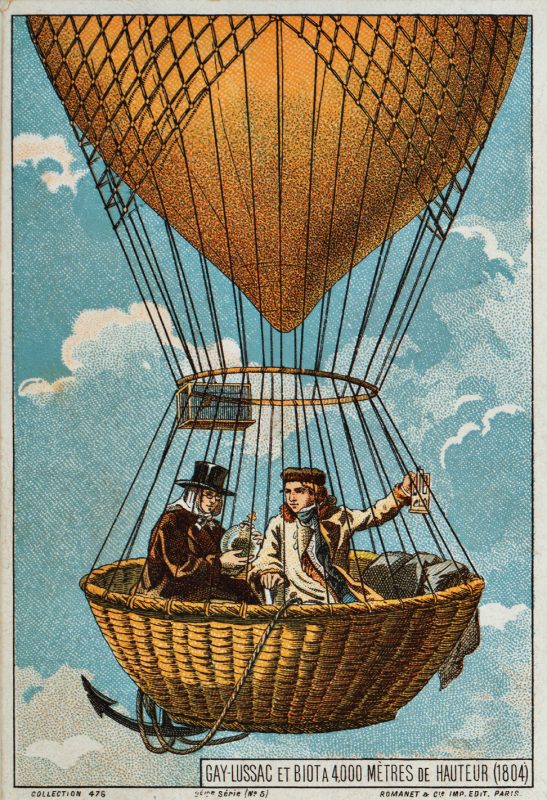
Original public domain image from Wikimedia Commons
Ballooning appealed to the Regency public’s sense of curiosity and adventure. It offered a new perspective on the world, allowing people to see the earth from above for the first time. For many, the balloon represented the triumph of human ingenuity over the forces of nature, embodying the spirit of the Enlightenment and the Industrial Revolution.
Ballooning also had a romantic quality, evoking a sense of freedom and possibility. The idea of soaring above the earth, untethered and unbound, captured the imagination of poets, artists, and dreamers. Ballooning became a metaphor for aspiration and exploration, inspiring people to push the boundaries of what was possible.
The Scientific and Social Impact of Ballooning
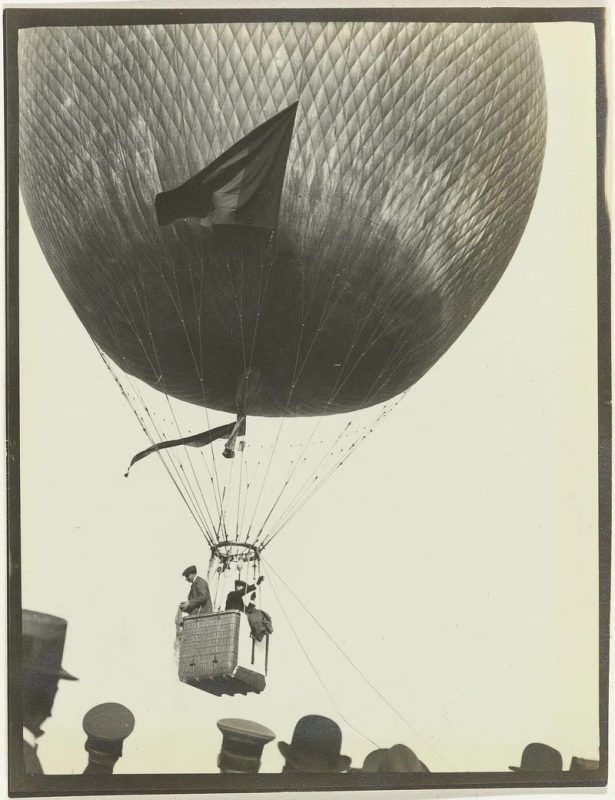
Ballooning was not just a form of entertainment; it was also a subject of scientific interest. Early aeronauts conducted experiments on altitude, weather, and navigation, contributing to the development of aviation and meteorology. Ballooning also had practical applications, such as military reconnaissance and communication.
On a social level, ballooning reflected the era’s fascination with progress and innovation. It was a symbol of the Regency era’s optimism and ambition, as people looked to the future with a sense of excitement and possibility. Ballooning also had a democratising effect, as public demonstrations made the wonders of flight accessible to people of all classes.
The Legacy of Ballooning
While ballooning eventually gave way to more advanced forms of aviation, its legacy endures in the continued fascination with flight and exploration. The Regency era’s enthusiasm for ballooning laid the groundwork for the development of modern aviation, inspiring generations of inventors and adventurers.
Conclusion
The Regency fascination with ballooning was a reflection of the era’s curiosity, ambition, and sense of wonder. It represented the possibilities of human ingenuity and the desire to explore the unknown. The legacy of ballooning lives on in the continued pursuit of flight and the enduring appeal of the skies.
References for Further Reading:
- Ballooning Over London in 1814
https://www.regencyhistory.net/blog/ballooning-over-london-1814 - The Dawn of Aviation ~ Hot-Air Balloons
https://randombitsoffascination.com/2017/10/21/dawn-aviation-hot-air-balloons-heather-king/

Leave a Reply