In the Regency era, highwaymen were both feared and romanticised figures who captured the public’s imagination. These daring outlaws, who robbed travellers on England’s roads, were often portrayed as glamorous antiheroes, embodying a mix of danger, charm, and rebellion. The legend of the highwayman reflects the era’s fascination with adventure, individualism, and the darker side of human nature.
The Reality of Highwaymen
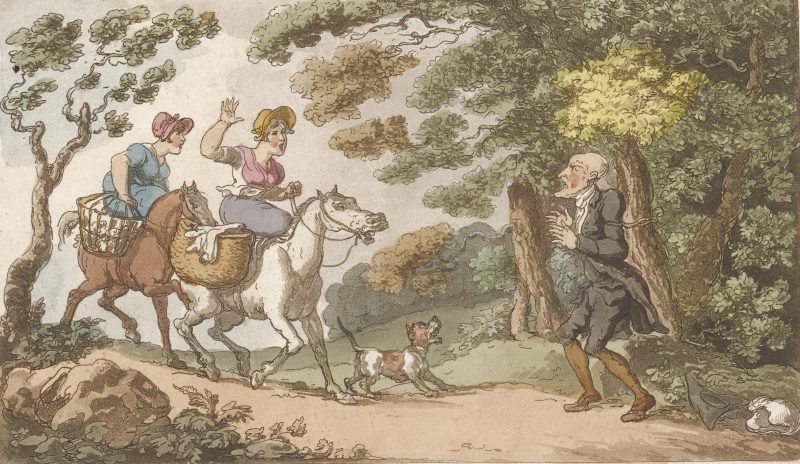
Highwaymen were criminals who preyed on travellers, often targeting stagecoaches and carriages on remote roads. They were known for their boldness and flair, sometimes wearing masks or disguises and using intimidation to carry out their robberies. While some highwaymen were ruthless and violent, others cultivated a reputation for gallantry, treating their victims with a degree of courtesy and even humour.
The life of a highwayman was fraught with danger, as they faced the constant threat of capture, imprisonment, or execution. Many were eventually caught and brought to justice, often ending their lives on the gallows. Despite this, the figure of the highwayman became a popular subject in literature and folklore, where they were often portrayed as romantic and tragic figures.
The Romanticisation of Highwaymen
The Regency era’s fascination with highwaymen was fuelled by their portrayal in ballads, plays, and novels. Characters like Dick Turpin and Claude Duval became legendary figures, celebrated for their daring exploits and charismatic personalities. These stories often emphasised the highwayman’s charm, courage, and sense of honour, contrasting them with the corruption and hypocrisy of society.
The romanticisation of highwaymen also reflected broader cultural trends, including the rise of Romanticism and its emphasis on individualism and rebellion. The highwayman was seen as a symbol of freedom and defiance, challenging the constraints of law and order. This made them appealing to a society that was increasingly questioning traditional authority and exploring new ideas about identity and morality.
The Legacy of Highwaymen

The legend of the highwayman has endured in popular culture, inspiring countless stories, songs, and films. While the reality of their lives was often far from glamorous, the figure of the highwayman continues to captivate the imagination, representing a mix of danger, romance, and rebellion.
Conclusion
The Regency era’s highwaymen were both feared and romanticised, embodying the era’s fascination with adventure, individualism, and the darker side of human nature. Their legacy lives on in the continued appeal of their stories, which offer a glimpse into the complexities of law, morality, and the human desire for freedom.
References for Further Reading:
- Highwayman
https://en.wikipedia.org/wiki/Highwayman - Just How Romantic Were Highwaymen?
https://janeaustenslondon.com/2017/10/15/just-how-romantic-were-highwaymen/

Leave a Reply