In the Regency era, a group of intellectual women known as the ‘Blue Stockings’ defied societal expectations by engaging in literary, philosophical, and scientific discussions. These women, often from the upper and middle classes, sought to expand their minds and challenge the limitations placed on them by a society that largely confined women to domestic roles. The Blue Stockings were pioneers in the fight for women’s intellectual freedom, leaving a lasting legacy that influenced future generations.
The Origins of the Blue Stockings
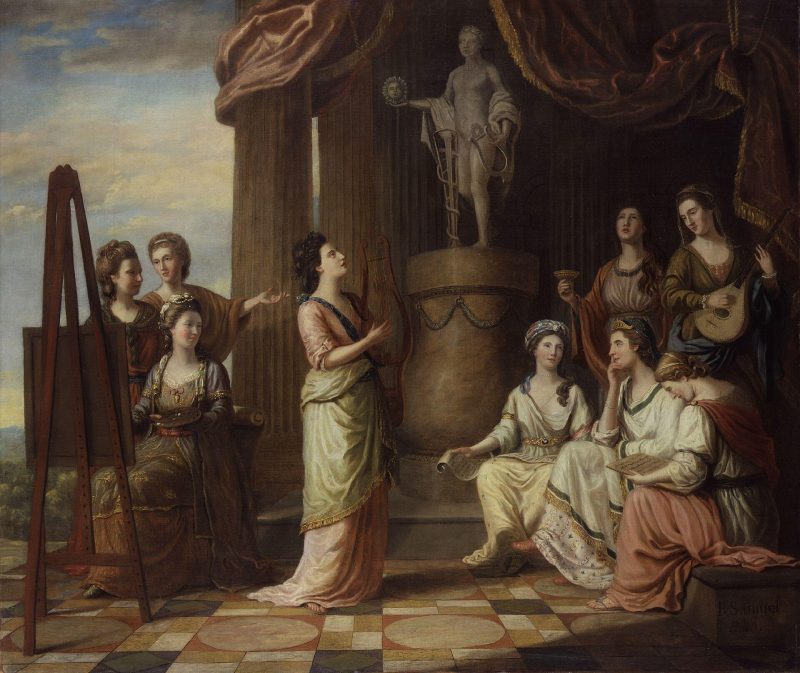
The term ‘Blue Stockings’ originated in the mid-18th century but gained prominence during the Regency era. It is said to have come from the informal attire of Benjamin Stillingfleet, a botanist and philosopher who wore blue stockings instead of the formal black silk stockings expected at social gatherings. The Blue Stockings were not a formal organisation but rather a network of women who hosted or attended salons where intellectual discourse was encouraged. These gatherings provided a rare space where women could express their opinions and engage with ideas on equal footing with men.
Prominent Figures and Their Contributions
Among the most notable Blue Stockings were Elizabeth Montagu, Hannah More, and Frances Boscawen. Elizabeth Montagu, often called the ‘Queen of the Blues,’ hosted one of the most famous salons in London, attracting writers, artists, and thinkers. Hannah More, a writer and philanthropist, used her influence to advocate for women’s education and social reform. Frances Boscawen, another key figure, was known for her wit and intellectual curiosity, which she brought to her own gatherings. These women were not only intellectuals but also activists who pushed for greater opportunities for women in education and public life.
Criticism and Challenges
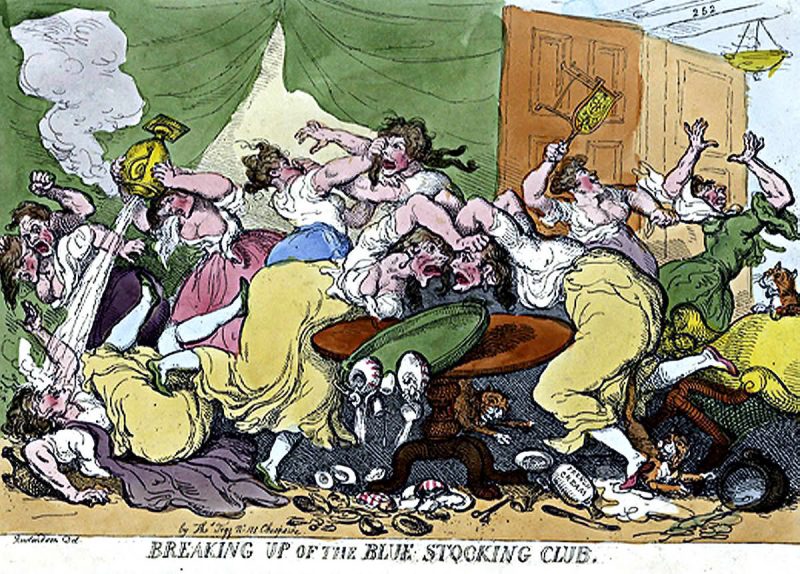
Despite their contributions, the Blue Stockings faced significant criticism from those who believed women should not engage in intellectual pursuits. They were often mocked in satirical writings and caricatures, portrayed as unattractive and neglectful of their domestic duties. Critics argued that intellectual pursuits were unfeminine and threatened the social order. However, the Blue Stockings persisted, arguing that women’s minds were as capable as men’s and that education was essential for personal and societal growth.
The Legacy of the Blue Stockings
The Blue Stockings laid the groundwork for future feminist movements, demonstrating that women could be both intellectual and socially influential. Their salons became a model for later intellectual gatherings, and their advocacy for women’s education helped pave the way for greater opportunities in the 19th and 20th centuries. Today, the Blue Stockings are remembered as trailblazers who challenged societal norms and expanded the possibilities for women in a male-dominated world.
Conclusion
The Blue Stockings of the Regency era were a remarkable group of women who defied societal expectations and championed intellectual freedom. Through their salons, writings, and advocacy, they challenged the status quo and left a lasting legacy that continues to inspire. Their story is a testament to the power of intellectual curiosity and the fight for gender equality.
References for Further Reading:
- The Bluestocking Circle
https://www.regencyhistory.net/blog/bluestocking-circle-regency-history-guide - Blue Stockins Society
https://en.wikipedia.org/wiki/Blue_Stockings_Society

Leave a Reply