In the Regency era, nitrous oxide, commonly known as ‘laughing gas,’ became a popular form of entertainment at scientific demonstrations and social gatherings. Discovered in the late 18th century, nitrous oxide was celebrated for its euphoric and anaesthetic effects, which captivated audiences and sparked a wave of curiosity about its potential uses. This fascination with laughing gas reflects the era’s blend of scientific inquiry and social amusement, as well as its willingness to explore the boundaries of human experience.
The Discovery of Nitrous Oxide
Nitrous oxide was first synthesised by English chemist Joseph Priestley in 1772, but it was Humphry Davy who popularised its effects in the early 19th century. Davy, a prominent scientist and inventor, conducted experiments with nitrous oxide at the Pneumatic Institution in Bristol, where he observed its ability to induce laughter, euphoria, and even hallucinations. Davy’s findings were published in his book Researches, Chemical and Philosophical, which brought nitrous oxide to the attention of the public.
The Appeal of Laughing Gas
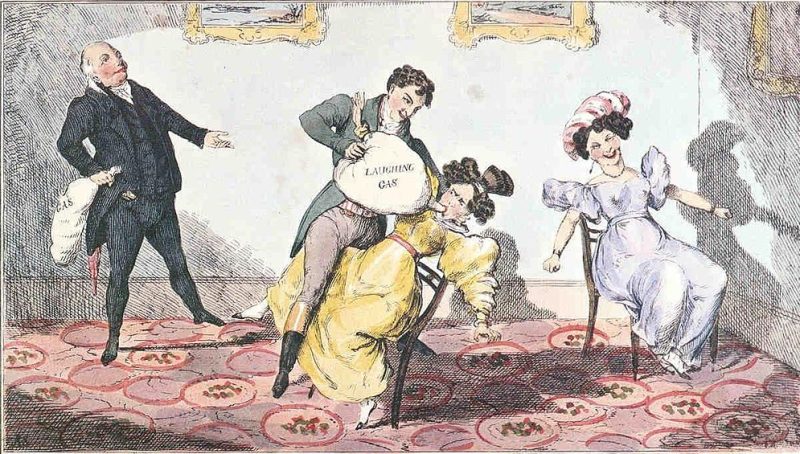
Nitrous oxide quickly became a sensation, with public demonstrations drawing large crowds eager to experience its effects. These events, often held in theatres or lecture halls, featured volunteers inhaling the gas and reacting with laughter, excitement, or even bizarre behaviour. The unpredictable and entertaining nature of these demonstrations made laughing gas a popular form of amusement, blending science and spectacle.
The appeal of laughing gas also lay in its ability to temporarily alter consciousness, offering a glimpse into the mysteries of the human mind. For many, it was a way to escape the constraints of everyday life and experience a sense of freedom and joy.
The Medical Potential of Nitrous Oxide
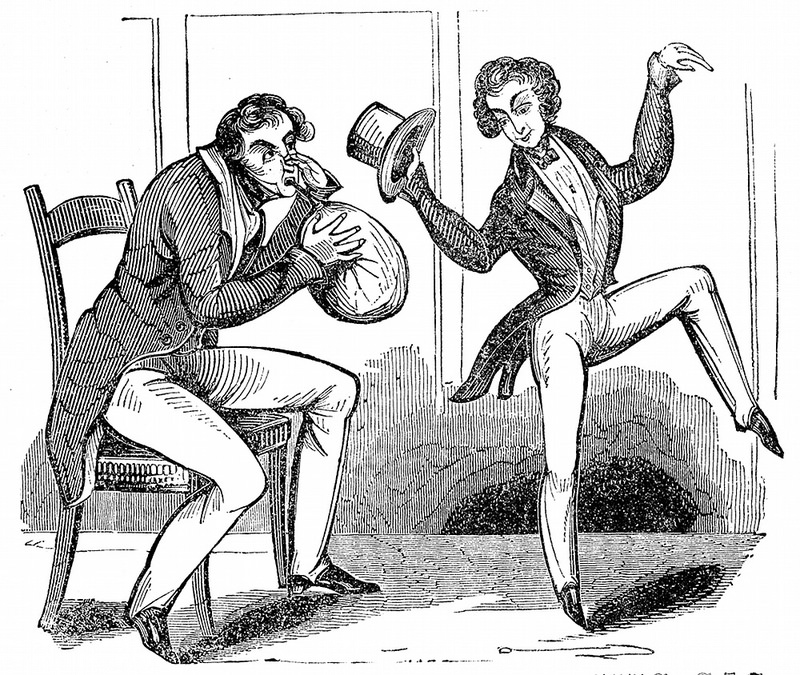
While nitrous oxide was primarily used for entertainment, its potential as an anaesthetic was also recognised. Davy himself suggested that the gas could be used to relieve pain during surgical procedures, though it would be several decades before this idea was fully realised. In the meantime, nitrous oxide remained a source of fascination and experimentation, reflecting the era’s curiosity about the possibilities of science.
The Legacy of Laughing Gas
The Regency era’s fascination with laughing gas laid the groundwork for its later use in medicine and dentistry. Today, nitrous oxide is widely used as an anaesthetic and analgesic, as well as a recreational substance. Its legacy as a source of entertainment and scientific inquiry serves as a reminder of the era’s willingness to explore the unknown and push the boundaries of human experience.
Conclusion
The Regency era’s fascination with laughing gas reflects the era’s blend of scientific curiosity and social amusement. It offered a way to explore the mysteries of the human mind and experience the thrill of the unknown. The legacy of laughing gas lives on in its continued use in medicine and its enduring appeal as a source of wonder and delight.
References for Further Reading:
- Laughing Gas and the Scientific Pursuit of the Sublime
https://wellcomecollection.org/stories/laughing-gas-and-the-scientific-pursuit-of-the-sublime - A Brief, 200-Year History of Humanity’s Love for Laughing Gas
https://www.vice.com/en/article/a-brief-200-year-history-of-humanitys-love-for-laughing-gas/

Leave a Reply