In the bustling streets of Regency London, the hackney coach was a vital mode of transportation, serving as an early form of taxi for the city’s residents. These horse-drawn carriages were a common sight, providing a convenient and relatively affordable way for people to navigate the crowded and often chaotic urban landscape. The hackney coach played a significant role in shaping the mobility and social dynamics of the time, reflecting the growing demand for efficient transportation in an increasingly industrialised world.
The Origins of the Hackney Coach
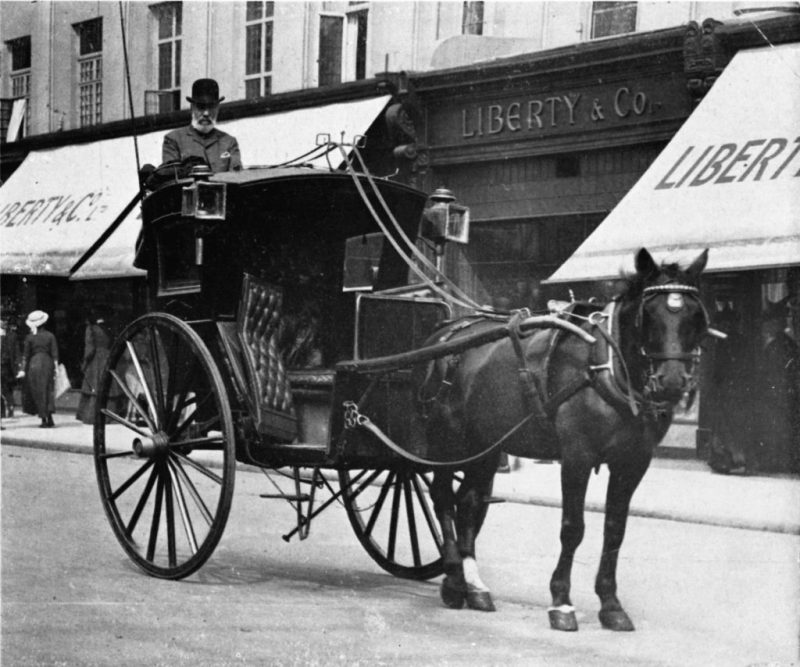
The hackney coach originated in the early 17th century, named after the village of Hackney in London, where horses were bred for hire. By the Regency era, hackney coaches had become a well-established feature of urban life. They were licenced by the city and operated by professional drivers, known as ‘hackney coachmen,’ who were required to adhere to strict regulations regarding fares, routes, and conduct.
Hackney coaches were typically four-wheeled carriages drawn by two horses, with space for up to four passengers. They were available for hire at designated stands throughout the city, and passengers could also hail them on the street. The fare was calculated based on distance, with additional charges for waiting time or extra passengers.
The Social Significance of Hackney Coaches
Hackney coaches were more than just a practical mode of transportation; they were also a reflection of social status and urban life. For the middle and upper classes, hiring a hackney coach was a convenient way to travel without the expense and responsibility of maintaining a private carriage. For the working class, hackney coaches provided a rare opportunity to experience the comfort and speed of horse-drawn transport.
The hackney coach also played a role in the social rituals of the time. It was a common mode of transportation for attending balls, theatres, and other social events, allowing individuals to arrive in style and comfort. The hackney coach was also a popular choice for clandestine meetings or elopements, offering a degree of privacy and discretion.
The Challenges of Hackney Coaches
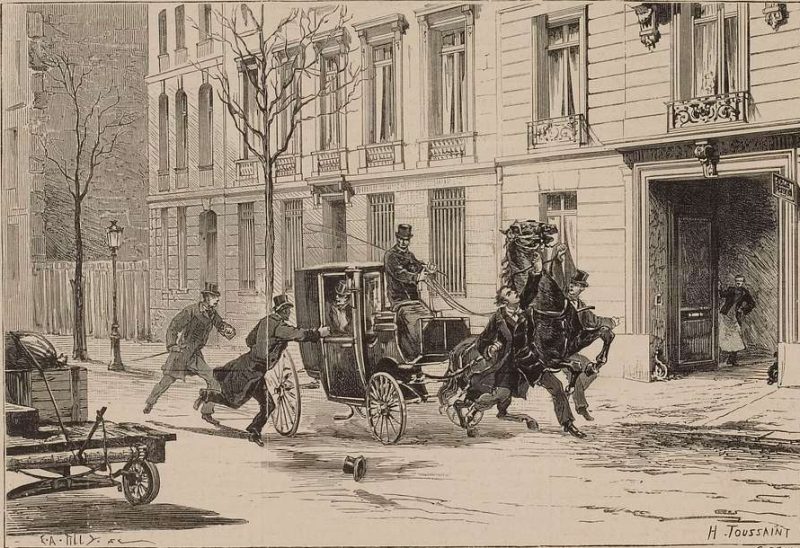
Despite their popularity, hackney coaches were not without their challenges. The streets of Regency London were often crowded and poorly maintained, making travel slow and uncomfortable. Hackney coaches were also subject to frequent breakdowns and accidents, and the behaviour of coachmen was sometimes erratic or dishonest. Passengers often complained of overcharging, rude drivers, and unsafe conditions.
The rise of alternative forms of transportation, such as omnibuses and later horse-drawn trams, began to challenge the dominance of hackney coaches. However, they remained a popular choice for many Londoners throughout the Regency era and beyond.
The Legacy of Hackney Coaches
The hackney coach laid the groundwork for modern taxis, reflecting the growing demand for efficient and accessible urban transportation. Its legacy can be seen in the continued importance of taxis and ride-sharing services in cities around the world. The hackney coach also serves as a reminder of the challenges and opportunities of urban life in the Regency era, offering a glimpse into the daily experiences of Londoners during a time of rapid change.
Conclusion
The hackney coach was a defining feature of Regency London, providing a vital link between the city’s residents and their destinations. It reflected the era’s emphasis on mobility, convenience, and social status, while also highlighting the challenges of urban transportation. The legacy of the hackney coach lives on in the continued evolution of urban mobility and the enduring importance of accessible transportation.
References for Further Reading:
- Hackney Coaches or Cabs: Their History
https://www.geriwalton.com/hackney-coaches/ - Hackney carriage
https://en.wikipedia.org/wiki/Hackney_carriage

Leave a Reply