In the Regency era, the macabre held a peculiar fascination for the public. From public executions to anatomical museums, people were drawn to the darker aspects of life and death. This fascination reflected broader cultural trends, including the Romantic movement’s interest in the sublime and the grotesque, as well as the era’s preoccupation with morality and mortality.
Public Executions: Spectacles of Justice
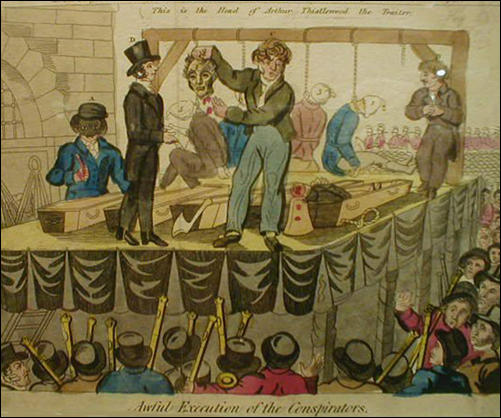
Public executions were a common form of entertainment in Regency England. Crowds would gather to witness the hanging of criminals, often treating the event as a social outing. Executions were seen as both a form of justice and a moral lesson, reinforcing the consequences of crime and the power of the state.
The spectacle of execution was carefully staged to maximise its impact. The condemned would often deliver a final speech, confessing their crimes and urging the audience to learn from their mistakes. The execution itself was a dramatic event, with the crowd reacting to every detail, from the placement of the noose to the final drop.
While public executions were intended to deter crime, they also had a darker appeal. The sight of death and suffering evoked a mix of fear, fascination, and catharsis, tapping into the public’s subconscious anxieties and desires.
Anatomical Museums: The Science of Death
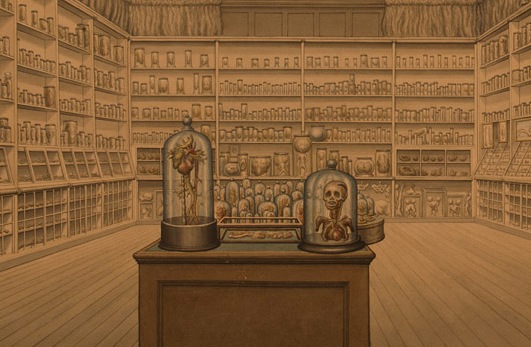
Anatomical museums were another manifestation of the Regency fascination with the macabre. These institutions displayed preserved human and animal specimens, offering a glimpse into the inner workings of the body. For many, these exhibits were both educational and unsettling, blending scientific curiosity with a sense of morbid fascination.
Anatomical museums were particularly popular among the middle and upper classes, who saw them as a mark of intellectual sophistication. However, they also raised ethical questions about the treatment of human remains and the boundaries of scientific inquiry.
The Social Implications of the Macabre
The Regency love of the macabre reflected broader cultural trends, including the Romantic movement’s interest in the darker aspects of human experience. It also highlighted the era’s preoccupation with morality and mortality, as people grappled with the uncertainties of life and the inevitability of death.
The macabre also had a social function, reinforcing the boundaries between the living and the dead, the normal and the abnormal. By confronting the darker aspects of life, people sought to make sense of their own fears and desires, finding a sense of order and meaning in the chaos of existence.
The Legacy of the Macabre
The Regency fascination with the macabre continues to influence modern culture, from horror literature and film to the study of anatomy and forensics. It reminds us of the enduring power of the darker aspects of human experience, and the ways in which they shape our understanding of ourselves and the world around us.
Conclusion
The Regency love of the macabre was a reflection of the era’s cultural and intellectual trends, blending curiosity, fear, and fascination. It offered a way for people to confront the darker aspects of life and death, finding meaning and order in the face of uncertainty. The legacy of the macabre lives on in the continued exploration of the boundaries between life and death, the normal and the abnormal.
References for Further Reading:
- Regency Hot Spots: Mr. Heaviside’s Anatomical Collection
https://regrom.com/2022/09/12/regency-hot-spots-mr-heavisides-anatomical-collection/ - Crime and Punishment in Early 19th Century England
https://cobaltfairy.com/blog-post/crime-punishment-early-19th-century-england/

Leave a Reply