In the Regency era, courtesans occupied a unique and often controversial position in society. These women, such as the famous Harriette Wilson, navigated the fine line between scandal and social power, using their beauty, wit, and charm to secure financial support and influence. While they were often ostracised by polite society, courtesans played a significant role in the cultural and political life of the era.
The Life of a Courtesan
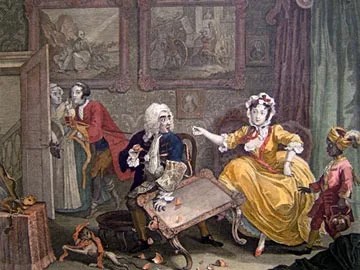
Courtesans were typically women from modest backgrounds who used their relationships with wealthy and powerful men to achieve financial security and social prominence. Unlike prostitutes, who were seen as low-status and disreputable, courtesans cultivated an air of refinement and sophistication. They were often well-educated and skilled in the arts of conversation, music, and dance, making them desirable companions for the elite.
The life of a courtesan was both glamorous and precarious. While they enjoyed luxuries and privileges denied to most women, they were also vulnerable to exploitation and social ostracism. A courtesan’s position depended on her ability to maintain the favour of her patrons, and a single misstep could lead to ruin.
The Social Role of Courtesans
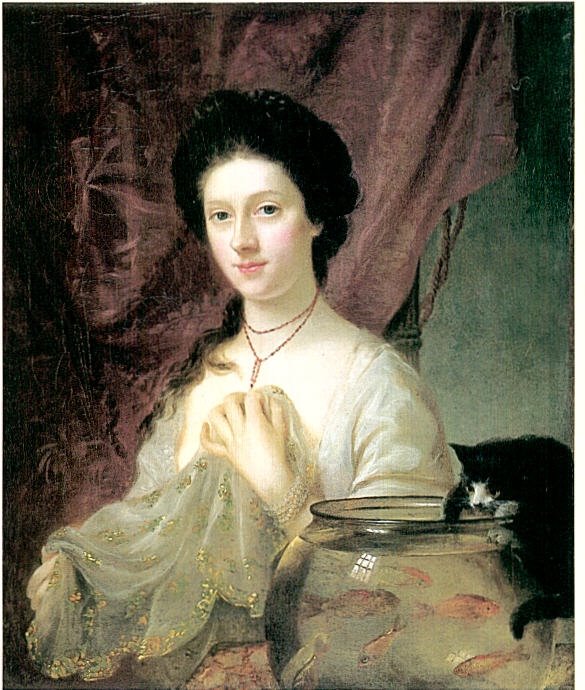
Harriette Wilson
Courtesans were more than just mistresses; they were influential figures in Regency society. They hosted salons where politicians, artists, and intellectuals gathered to discuss ideas and forge alliances. Through their relationships with powerful men, courtesans could wield significant influence, shaping political decisions and cultural trends.
However, their power was always tenuous. Courtesans were often the subject of gossip and scandal, and their reputations could be destroyed by a single indiscretion. Despite these challenges, some courtesans, like Harriette Wilson, managed to achieve a degree of independence and agency that was rare for women of the time.
The Legacy of Courtesans
The legacy of the Regency courtesan is complex and multifaceted. While they were often vilified by society, they also challenged traditional gender roles and expectations. Their lives offer a glimpse into the contradictions and complexities of the Regency era, where beauty and charm could be both a source of power and a trap.
Conclusion
The Regency courtesan was a figure of both fascination and controversy, embodying the tensions between scandal and social power. Her story reflects the challenges and opportunities faced by women in a society that valued appearance and influence above all else. The legacy of the courtesan lives on in the continued exploration of gender, power, and identity.
References for Further Reading:
- Courtesan
https://en.wikipedia.org/wiki/Courtesan - Representing Regency: Courtesans, Marriage and Dukes
https://regrom.com/2019/01/06/representing-regency-courtesans-marriage-and-dukes/

Leave a Reply