When we imagine Regency England, it’s often all silk gowns and candlelit assemblies — but for many, life was far from refined. Among the most heartbreaking figures of the era were the chimney sweeps — soot-covered and often heartbreakingly young, tasked with a job few would envy, but all relied upon.
Though essential to daily life, their work came at a steep cost — and it’s impossible to talk about Regency society without acknowledging their story.
Why Chimney Sweeps Mattered
In the days before central heating, coal fires roared in every well-to-do hearth — and with them came soot, creosote, and the constant risk of fire. Chimneys needed regular cleaning to stay safe, and that’s where the sweeps came in.
Clambering up narrow, pitch-dark flues — some barely a foot wide — sweeps scraped away the dangerous buildup by hand. It was gruelling, filthy, and physically punishing work, performed under conditions few of us today can truly imagine.
The Smallest Shoulders Bore the Heaviest Load
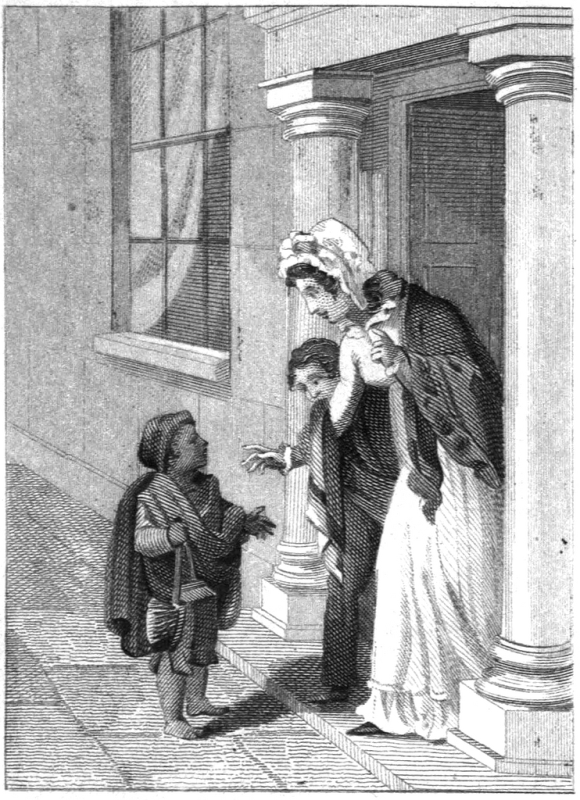
Perhaps the most haunting chapter in this story is that of the ‘climbing boys’ — children, some as young as four, apprenticed to master sweeps. Chosen for their size, they were sent up into the chimneys themselves, often barefoot and stripped to the waist, to wriggle upward through soot and smoke.
Falls were common. So were suffocation and burns. Many developed a form of cancer later dubbed ‘soot wart,’ and nearly all endured stunted growth, respiratory disease, and permanent injury. Their treatment ranged from indifferent to cruel, and their suffering was largely ignored by polite society — though a few brave reformers did take up their cause.
Jonas Hanway was among the first to campaign against the use of child sweeps, and later, laws like the Chimney Sweepers Act of 1834 attempted to curb the practice. Still, enforcement was patchy, and real change came slowly.
A Shadowed Spot in Society
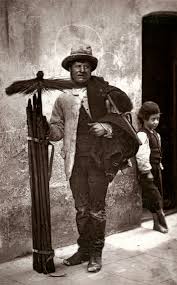
Chimney sweeps were a contradiction — necessary yet reviled. Their soot-streaked faces and ragged clothes were unwelcome at most doorsteps, even as their work kept hearths safe and homes warm.
Over time, literature and folklore softened their image: the sweep as a symbol of plucky endurance, even good luck. But no amount of romanticism can erase the harsh truth of their everyday reality.
Lasting Impact
The suffering of the chimney sweeps became a rallying point for broader labour reforms, helping to spark changes in child welfare, working conditions, and industrial regulation. Today, modern technology has all but swept their profession into history.
But their story is still worth telling.
In Conclusion
The Regency chimney sweep reminds us that even in an age of elegance, there were shadows in the corners. The children who clambered up soot-blackened flues did so out of necessity, not choice — and their courage, endurance, and pain deserve to be remembered.
Let their legacy be one not just of endurance, but of the reforms their suffering helped bring about.
References for Further Reading:
- Chimney Sweeps and Climbing Boys
https://www.historic-uk.com/CultureUK/History-Boy-Chimney-Sweep/ - Georgian Chimney Sweeps
https://penandpension.com/2017/02/22/georgian-chimney-sweeps/ - The Chimney Sweep
https://vanessariley.com/blog/2025/02/22/louise-guest-post/

Leave a Reply