In the Regency era, while women were formally excluded from political power, they wielded significant influence behind the scenes through a phenomenon often referred to as ‘petticoat government.’ This informal network of female influence shaped politics, society, and culture in subtle yet profound ways. Through salons, correspondence, and personal relationships, women like Lady Melbourne, Lady Holland, and even Jane Austen played key roles in shaping the political and social landscape of the time. Their ability to navigate the constraints of a patriarchal society and exert influence highlights the complexity of gender roles in the Regency era.
The Power of the Salon
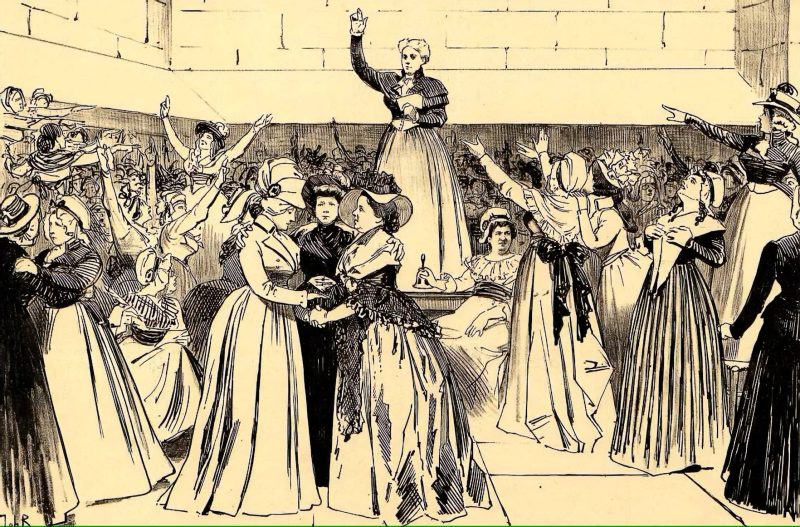
One of the most important venues for petticoat government was the salon, a social gathering hosted by influential women. These salons brought together politicians, writers, intellectuals, and artists to discuss ideas, debate current events, and forge alliances. The hostess of a salon acted as a mediator and facilitator, guiding conversations and influencing outcomes. Salons were particularly significant for women, who used them to exert influence in a society that denied them formal political power.
For example, Lady Melbourne, a prominent hostess, used her salon to connect powerful figures like the Prince Regent and Lord Byron, shaping political and cultural developments. Similarly, Lady Holland’s gatherings at Holland House became a hub for Whig politicians and intellectuals, influencing the direction of political thought and policy.
The Role of Correspondence
Letters were another crucial tool for women in the Regency era. Through correspondence, they could share information, offer advice, and build networks of influence. Women like Jane Austen and Mary Wollstonecraft used letters to discuss politics, literature, and social issues, shaping public opinion and challenging societal norms. These letters often served as a form of intellectual exchange, allowing women to participate in debates and discussions from which they were otherwise excluded.
For instance, Mary Wollstonecraft’s letters and writings advocated for women’s rights and education, laying the groundwork for the feminist movement. Jane Austen’s correspondence, though more personal, also reflected her keen observations of society and her subtle critiques of its limitations.
The Influence of Personal Relationships
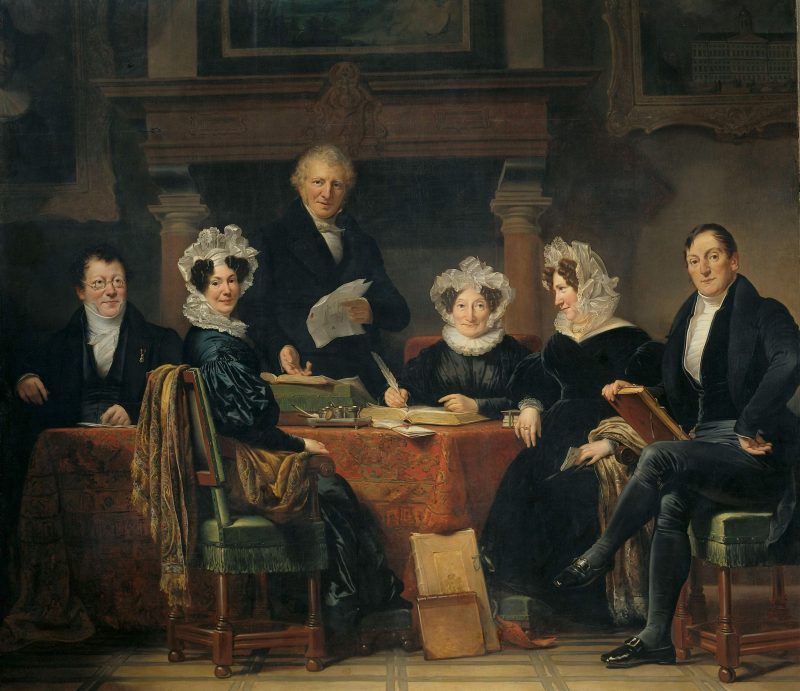
Women in the Regency era also exerted influence through their personal relationships with powerful men. Wives, mothers, and sisters often acted as confidantes and advisors, shaping the decisions of their male relatives. For example, Georgiana, Duchess of Devonshire, used her social connections and charm to campaign for the Whig party, despite the scandal it caused. Her influence extended beyond politics to fashion and culture, making her one of the most prominent figures of her time.
The Legacy of Petticoat Government
The influence of petticoat government extended far beyond the Regency era, laying the groundwork for the women’s rights movement. By demonstrating the power of informal networks and personal relationships, these women challenged the notion that politics was a male domain. Their ability to navigate the constraints of their time and exert influence highlights the resilience and ingenuity of women in the face of societal limitations.
The legacy of petticoat government can be seen in the continued struggle for gender equality and the recognition of women’s contributions to politics and culture. It serves as a reminder that power and influence can take many forms, and that women have always found ways to shape the world around them, even in the face of systemic barriers.
Conclusion
The Regency era’s petticoat government highlights the ways in which women navigated the limitations of their time to exert influence and shape society. Through salons, correspondence, and personal relationships, they played a crucial role in politics, culture, and social reform. Their legacy lives on in the continued recognition of women’s contributions and the ongoing fight for gender equality. The story of petticoat government is a testament to the power of resilience, creativity, and the enduring impact of women’s voices.
References for Further Reading:
- Petticoat Government: Female Rule in British Fiction, 1870-1890
https://dspace.library.uvic.ca/items/b697195e-b986-49a5-ad39-c2d0e8be4208 - What is Meant by ‘Petticoat Rule’ in British History?
https://www.quora.com/What-is-meant-by-petticoat-rule-in-British-history

Leave a Reply