In the Regency era, ghost stories and séances became a popular pastime, blending supernatural fascination with the era’s growing interest in science and reason. While the period was marked by advancements in technology and Enlightenment thinking, it was also a time when the supernatural held a powerful grip on the public imagination. Ghost stories, haunted houses, and séances provided a thrilling escape from the rational world, offering a glimpse into the mysterious and the unknown.
The Popularity of Ghost Stories
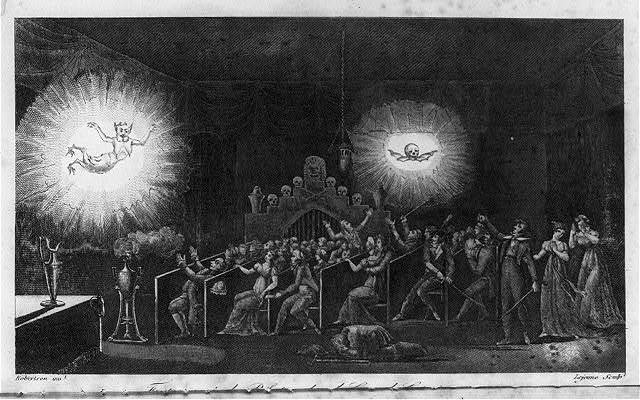
Ghost stories were a staple of Regency-era entertainment, particularly during the long winter evenings when families gathered around the fire. These tales often drew on folklore and local legends, featuring haunted castles, restless spirits, and eerie apparitions. Writers like Ann Radcliffe and Matthew Lewis popularised the Gothic novel, a genre that combined elements of horror, romance, and the supernatural.
The appeal of ghost stories lay in their ability to evoke fear and wonder, tapping into deep-seated human anxieties about death and the afterlife. They also provided a way to explore themes of morality, justice, and the unknown, reflecting the era’s preoccupation with the boundaries between the natural and the supernatural.
The Rise of Séances and Spiritualism
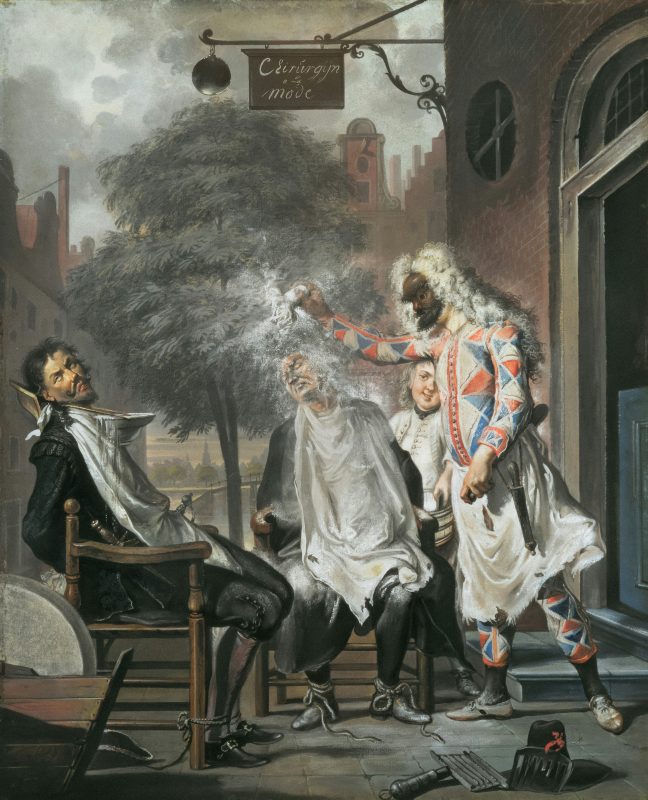
While séances and spiritualism became more prominent in the Victorian era, their roots can be traced back to the Regency period. Séances, which involved attempts to communicate with the dead, were often conducted in private homes and were seen as both a form of entertainment and a serious pursuit. Participants used techniques like table-turning, automatic writing, and spirit rapping to connect with the spirit world.
The popularity of séances reflected the era’s fascination with the afterlife and the possibility of life beyond death. They also provided a way for individuals to cope with loss and grief, offering comfort and reassurance in a time when mortality rates were high. However, séances were not without controversy, as sceptics dismissed them as fraud or delusion.
The Intersection of Science and the Supernatural
The Regency era was a time of scientific discovery and rational inquiry, but it was also a period when the supernatural held a powerful allure. This tension between science and superstition is evident in the era’s literature and culture, where ghost stories and séances coexisted with advancements in medicine, astronomy, and technology.
For many, the supernatural was not in conflict with science but rather a complement to it, offering a way to explore the mysteries that science could not yet explain. This duality is reflected in the works of writers like Mary Shelley, whose novel Frankenstein blends scientific ambition with Gothic horror.
The Legacy of Regency-Era Ghosts
The Regency era’s fascination with ghosts and the supernatural laid the groundwork for the Victorian obsession with spiritualism and the occult. The era’s ghost stories and séances continue to influence modern horror and fantasy literature, as well as our enduring interest in the paranormal.
Conclusion
The Regency era’s ‘fashionable ghosts’ were a reflection of the period’s complex relationship with science, superstition, and the unknown. Ghost stories and séances provided a way to explore the boundaries of human understanding, offering both thrills and comfort in a time of rapid change. Their legacy endures in our continued fascination with the supernatural.
References for Further Reading:
- Spirits, Scams and the Victorian Séance
https://crimereads.com/spirits-scams-and-the-victorian-seance/ - Regency Literature: Ghosts, Ghouls and Gothic
https://regrom.com/2012/10/10/regency-literature-ghosts-ghouls-and-gothic/ - Georgian Ghosts
https://penandpension.com/2019/10/23/georgian-ghosts/

Leave a Reply