In the Regency era, certain illnesses were not just medical conditions but also cultural phenomena. Diseases like consumption (tuberculosis) and nervous disorders were romanticised in literature and society, becoming symbols of sensitivity, refinement, and even beauty. This fascination with ‘fashionable diseases’ reflects the era’s complex attitudes toward health, morality, and aesthetics.
The Appeal of Consumption
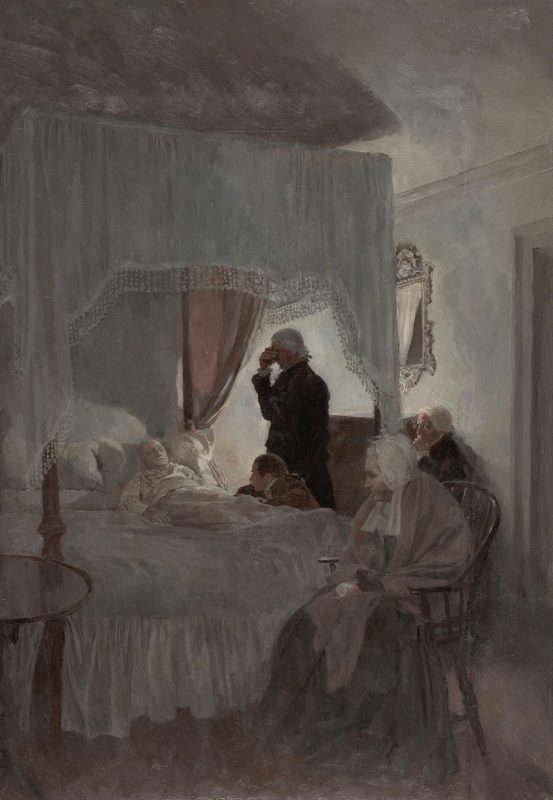
Consumption, or tuberculosis, was one of the most romanticised diseases of the Regency era. Its symptoms — pale skin, flushed cheeks, and a thin, delicate frame — were seen as signs of ethereal beauty and spiritual purity. In literature, consumptive characters were often portrayed as tragic heroes or heroines, whose suffering elevated them to a higher moral plane.
The romanticisation of consumption was partly due to its slow, lingering nature, which allowed for dramatic and emotional storytelling. It was also associated with creativity and intellect, as many artists, writers, and musicians of the time suffered from the disease. The idea of the ‘consumptive genius’ became a powerful cultural archetype, embodying the connection between suffering and artistic inspiration.
Nervous Disorders and the Cult of Sensibility
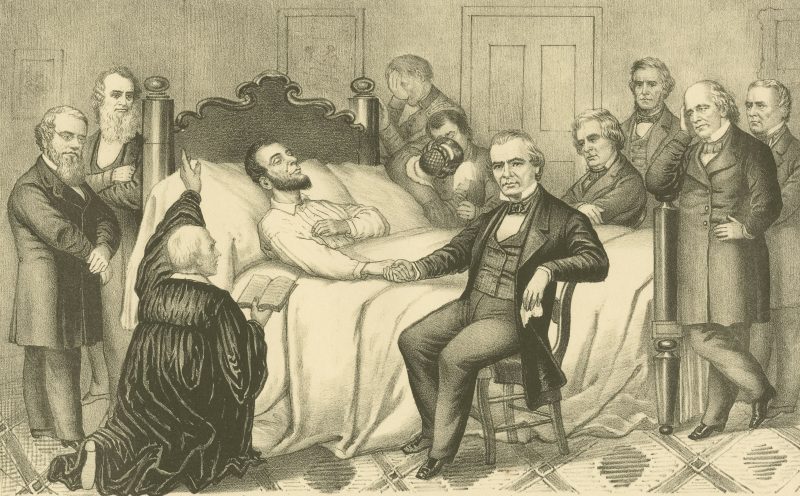
Nervous disorders, such as hysteria and melancholia, were also considered fashionable in the Regency era. These conditions were often linked to the cult of sensibility, which valued emotional sensitivity and refinement. Sufferers of nervous disorders were seen as possessing a heightened awareness and depth of feeling, qualities that were admired in both men and women.
However, the romanticisation of these illnesses also had a darker side. It could lead to the trivialisation of real suffering and the stigmatisation of those who did not conform to the idealised image of the sensitive invalid. Women, in particular, were often diagnosed with nervous disorders as a way to explain away their dissatisfaction or rebellion against societal norms.
The Legacy of Fashionable Diseases
The romanticisation of illness in the Regency era has had a lasting impact on cultural attitudes toward health and beauty. It reflects the era’s fascination with the interplay between body and mind, as well as its tendency to aestheticise suffering. Today, the legacy of fashionable diseases can be seen in the continued association of certain conditions with creativity and sensitivity, as well as the ongoing debate over the medicalisation of human experience.
Conclusion
The Regency era’s fascination with fashionable diseases reflects the era’s complex and often contradictory attitudes toward health, morality, and aesthetics. It was a time when illness could be seen as a mark of refinement and beauty, but also a source of real suffering and stigma. The legacy of fashionable diseases lives on in the continued exploration of the relationship between health and identity, as well as the enduring appeal of the tragic and the sublime.
References for Further Reading:
- Tuberculosis: A Fashionable Disease?
https://blog.sciencemuseum.org.uk/tuberculosis-a-fashionable-disease/ - How Tuberculosis Shaped Victorian Fashion
https://www.smithsonianmag.com/science-nature/how-tuberculosis-shaped-victorian-fashion-180959029/

Leave a Reply