If you’ve ever thought that sensational, edge-of-your-seat fiction was a modern invention, let me introduce you to the penny dreadful — Regency England’s version of the thriller novel, sold for the princely sum of one penny. These small, serialized publications were filled to the brim with scandal, crime, and melodrama, and they quickly became a favourite form of entertainment among the working class.
Though we often picture Regency reading habits as refined—think Austen’s witty drawing rooms or Byron’s brooding verse — the penny dreadful reveals a whole other side of literary life. These were the stories people devoured on their way to work, swapped with friends, or read aloud at home by candlelight.
A Penny for Your Nightmares
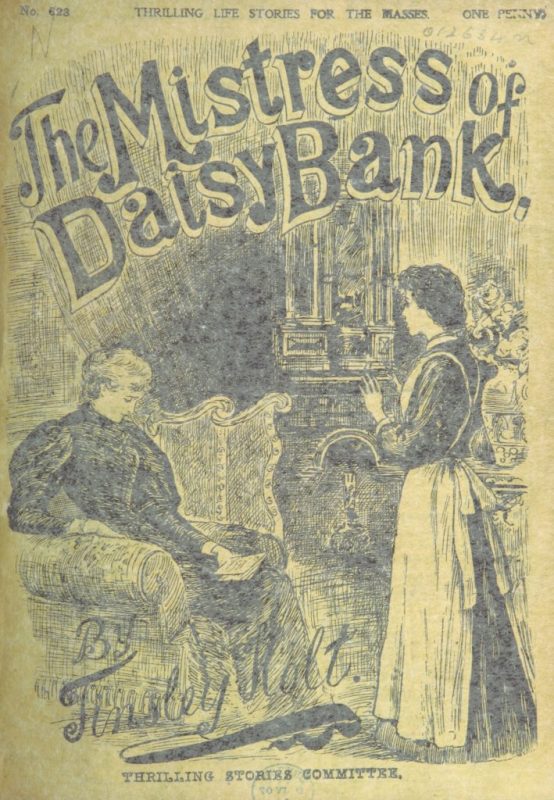
Penny dreadfuls emerged in the early 19th century, thanks to advancements in printing that made mass-produced literature cheaper than ever before. For just a penny, readers could pick up a new instalment of a lurid tale featuring murderers, monsters, highwaymen, or ghosts — sometimes all in one issue.
The stories were serialized, which meant you got your thrills in tantalizing portions, always ending with a cliffhanger that guaranteed you’d return for next week’s issue. Whether it was the shocking crimes of ‘Spring-Heeled Jack’ or the dastardly deeds of ‘Sweeney Todd,’ the penny dreadful delivered suspense by the shovelful.
Popular, Not Polished
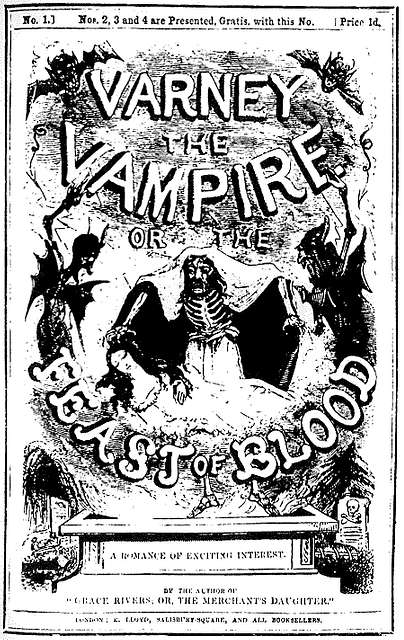
Naturally, the literary elite of the day turned their noses up at these humble publications. Critics called them vulgar and accused them of corrupting youth — which, of course, only made them more appealing. But the truth is, penny dreadfuls were incredibly important: they encouraged literacy, gave voice to working-class interests, and helped democratize reading.
And while their plots were over-the-top, they often mirrored real anxieties of the age — urban crime, shifting class structures, and moral uncertainty among them. These weren’t just tales of blood and betrayal; they were reflections of a rapidly changing world.
Lasting Influence
Though their popularity waned by the late 19th century, penny dreadfuls left behind a sizeable legacy. They paved the way for Victorian sensation novels, pulp fiction, comic books, and even modern television dramas. The serialized format, the emphasis on cliffhangers, the anti-hero — these were all innovations that still resonate today.
Writers like Charles Dickens and Arthur Conan Doyle owe more than a little to the penny dreadful tradition, and the thirst for thrilling, serialized storytelling remains alive and well.
In Conclusion
The penny dreadfuls of the Regency era may not have graced the shelves of the drawing room library, but they were wildly successful in capturing the imagination of a growing and increasingly literate population. They entertained, provoked, and sometimes scandalised — but above all, they proved that everyone, no matter their social class, deserved a good story.
References for Further Reading:
- Penny Dreadful
https://en.wikipedia.org/wiki/Penny_dreadful - Penny Dreadfuls: The Victorian Equivalent of Video Games
https://www.theguardian.com/books/2016/apr/30/penny-dreadfuls-victorian-equivalent-video-games-kate-summerscale-wicked-boy

Leave a Reply