In the Regency era, panoramas were a groundbreaking form of entertainment that captivated audiences with their immersive depictions of distant landscapes, cityscapes, and historical events. These massive, circular paintings, often displayed in specially designed buildings, offered viewers a sense of being transported to another place or time. Panoramas were a precursor to modern cinema and virtual reality, blending art, technology, and storytelling to create unforgettable experiences.
The Origins of Panoramas
The panorama was invented by Irish artist Robert Barker in the late 18th century. Barker’s technique involved creating a large, continuous painting that surrounded the viewer, often displayed in a circular building known as a rotunda. The paintings were meticulously detailed, with careful attention to perspective and lighting to enhance the illusion of depth and realism. Panoramas quickly became a popular form of entertainment, with exhibitions in cities like London, Paris, and New York attracting large audiences.
The Appeal of Panoramas
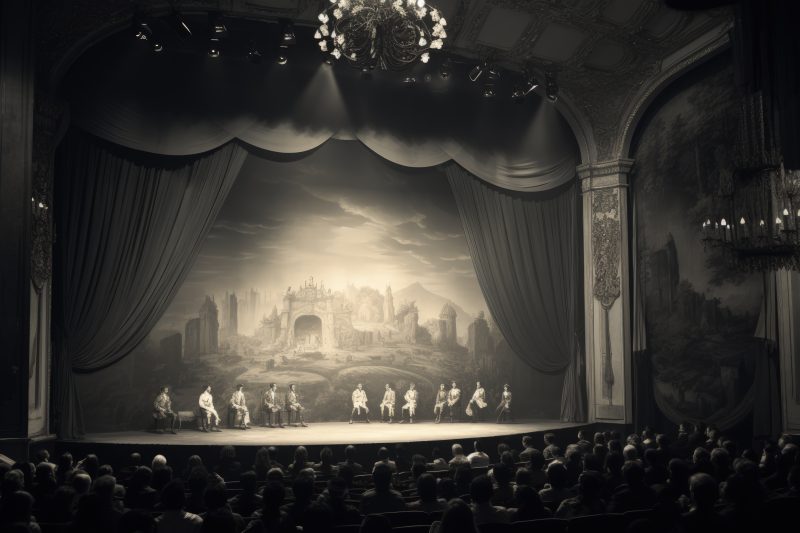
Panoramas appealed to the Regency public’s curiosity about the world. At a time when travel was expensive and difficult, panoramas offered a way to experience far-off places like the Alps, the pyramids of Egypt, or the bustling streets of Paris. They were also used to depict historical events, such as the Battle of Waterloo, allowing viewers to feel as though they were witnessing history firsthand. Panoramas were often accompanied by sound effects, lighting, and even live actors, creating a multisensory experience that was both educational and entertaining.
The Social and Cultural Impact
Panoramas were more than just a form of entertainment; they were a reflection of the Regency era’s fascination with science, exploration, and the arts. They provided a way for people to engage with the wider world, fostering a sense of curiosity and wonder. Panoramas also played a role in shaping public perceptions of historical events and distant lands, influencing the way people thought about geography, history, and culture.
The Legacy of Panoramas
While the popularity of panoramas declined with the advent of photography and film, their influence can be seen in modern forms of immersive art and entertainment. The concept of surrounding the viewer with images and sound remains a powerful tool for storytelling, from IMAX theatres to virtual reality experiences. Panoramas also paved the way for other forms of visual entertainment, such as dioramas and cycloramas, which continued to captivate audiences throughout the 19th century.
Conclusion
The Regency panorama was a groundbreaking form of art and entertainment, offering viewers a glimpse into worlds they might never see in person. It reflected the era’s fascination with science, exploration, and the arts, and its legacy lives on in the immersive experiences of today. The panorama remains a testament to the power of art to transport, educate, and inspire.
References for Further Reading:
- Panoramas: 19th-Century Virtual Reality
https://shannonselin.com/2016/11/panoramas-19th-century/ - Panoramas: A Regency Era Rarity in Public Entertainment
https://thecozydrawingroom.com/2020/07/21/regencypanorama/

Leave a Reply