The Regency era was a time of culinary innovation and experimentation, with new ingredients and cooking techniques transforming the way people ate. The Regency pantry was stocked with a variety of staples, many of which are uncommon today, reflecting the tastes and traditions of the time. From exotic spices to preserved meats, the foods of the Regency era offer a fascinating glimpse into the daily lives and social customs of the period.
The Basics of the Regency Pantry
The Regency pantry was a reflection of the era’s agricultural practices and trade networks. Staples included flour, sugar, butter, and eggs, which were used to make bread, pastries, and other baked goods. Meat, particularly beef, mutton, and pork, was a central part of the diet, often preserved through salting or smoking.
Fruits and vegetables were also important, though their availability varied by season. Root vegetables like potatoes and turnips were common, as were apples, pears, and berries. Herbs and spices, such as cinnamon, nutmeg, and cloves, were used to flavour dishes and mask the taste of preserved foods.
Exotic Ingredients
The Regency era saw an increase in the availability of exotic ingredients, thanks to Britain’s expanding empire and trade networks. Tea, coffee, and chocolate became popular beverages, while spices like pepper and ginger were used to add flavour to dishes. Sugar, imported from the West Indies, was a luxury item that became increasingly common in middle-class households.
One of the most iconic Regency foods was the pineapple, which was grown in hothouses and served as a symbol of wealth and hospitality. Other exotic fruits, such as oranges and lemons, were also prized for their flavour and rarity.
Preservation Techniques
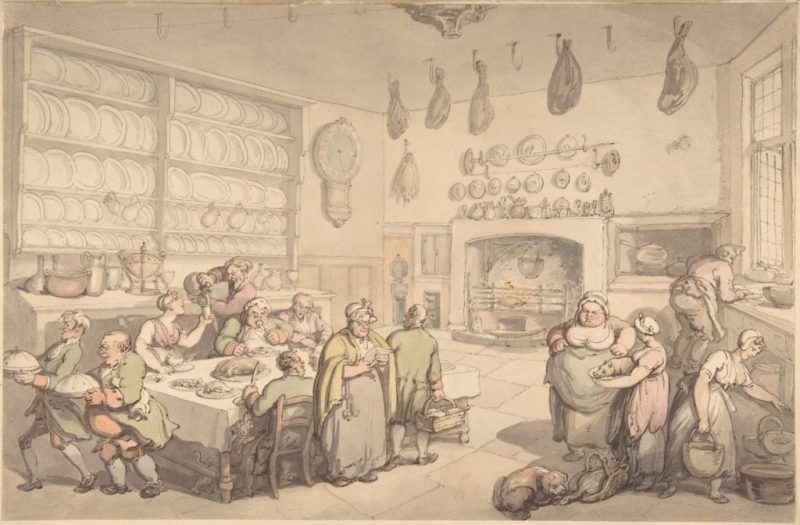
Preservation was a key concern in the Regency era, as refrigeration did not yet exist. Meats were salted, smoked, or pickled to extend their shelf life, while fruits were preserved as jams or jellies. Pickling was a popular method for preserving vegetables, and pickled cucumbers (gherkins) were a common accompaniment to meals.
The Legacy of the Regency Pantry
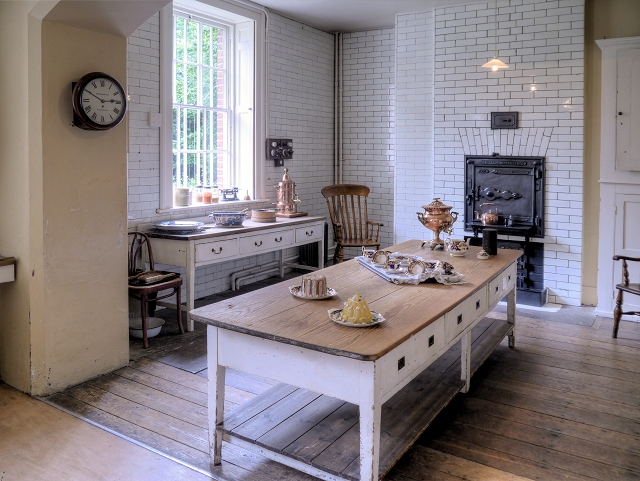
The foods of the Regency era reflect the social and economic changes of the time, from the rise of the middle class to the impact of global trade. Many of the ingredients and techniques used in Regency cooking have been passed down through generations, influencing modern culinary traditions.
Conclusion
The Regency pantry offers a window into the tastes and traditions of the era, revealing the ways in which food shaped daily life and social customs. From exotic spices to preserved meats, the foods of the Regency era were a reflection of the time’s agricultural practices, trade networks, and cultural values.
References for Further Reading:
- This Butler’s Pantry Will Make You Gasp
https://janeaustensworld.com/category/19th-century-butlers-pantry/ - Kitchens in Regency and Georgian England
https://donnahatch.com/kitchens-in-regency-and-georgian-england/

Leave a Reply