When we think of Regency pastimes, elegant balls and quiet parlour games usually come to mind. But not all entertainments of the era were so genteel. Out in the fields and behind the inns, another sort of drama was unfolding — loud, brutal, and wildly popular: bare-knuckle boxing.
Yes, alongside the silk and satin of the drawing rooms, there were bloodied knuckles and swelling jaws in the prize rings. And the men who stepped into those rings — known as pugilists — were some of the most celebrated figures of their day.
From Rough Beginnings to Roaring Crowds
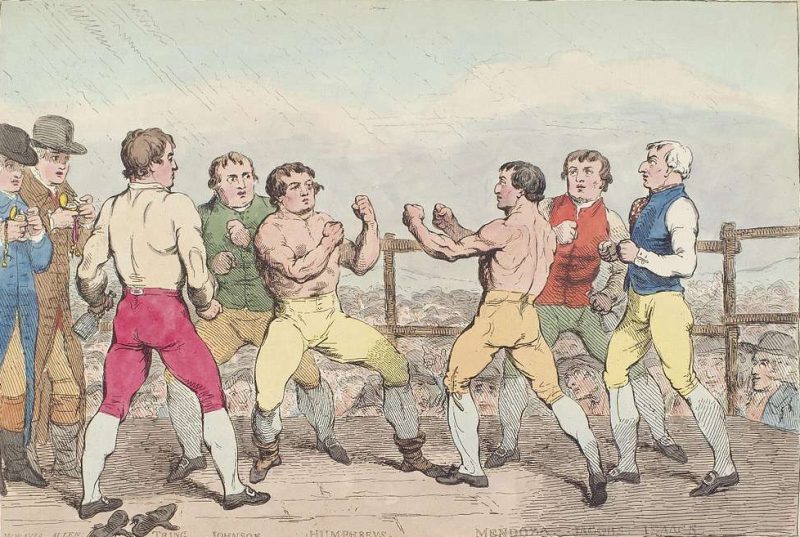
Bare-knuckle boxing had been around since the 1700s, but during the Regency it truly came into its own. It started out as a rough-and-tumble brawl for the working classes, often with few rules and plenty of broken noses. But as the Regency unfolded, the sport drew the attention of the upper classes too, who were captivated by its raw display of courage and skill.
Fighters like Daniel Mendoza and John Jackson became household names, admired not only for their brute strength but for their clever tactics and sportsmanship. Matches were held in open fields, with the crowd forming a ring around the fighters, shouting encouragement or laying wagers.
There were no gloves. Very few rules. And the rounds? They went on until someone was no longer standing. Despite its violence, boxing was seen as a noble pursuit — an honourable contest between men who fought not out of anger, but out of pride, skill, and a shared code of fair play.
A Sport for All Classes
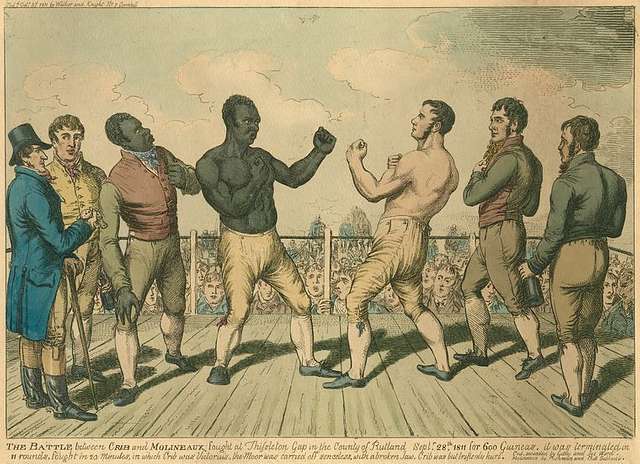
What’s fascinating about pugilism in the Regency era is how it brought together people from every walk of life. Lords and labourers stood side by side at matches. The wealthy backed their favourite fighters with generous sponsorships, while the working class bet whatever they could spare on a hopeful underdog.
Newspapers and pamphlets breathlessly reported on the fights, with tales of triumph and defeat that read like battlefield reports. Some matches even drew crowds in the thousands.
For the gentlemen of the ton, boxing became more than a spectator sport — it was something they did. Many young men trained in pugilism as part of their education. It was considered good preparation for duels, street encounters, or just the general roughness of life. It was also a way to build character, discipline, and physical endurance — virtues the Regency elite admired greatly.
The Legacy of the Bare-Knuckle Era
By the mid-19th century, bare-knuckle boxing began to fade, replaced by gloved bouts and more formal rules. But its spirit lived on. Today’s boxing still owes much to the Regency-era pugilists — their emphasis on technique, strategy, and sheer grit laid the foundation for the sport as we know it.
In Conclusion
Bare-knuckle boxing might seem an unlikely darling of the Regency period, but it was very much a part of the cultural fabric — gritty, dramatic, and surprisingly honourable. It gave rise to folk heroes, stirred the passions of high and low alike, and reflected a time when physical courage was just as admired as polished manners. And really, what could be more Regency than that curious blend of civility and steel?
References for Further Reading:
- The Bare-Knuckle Era
https://www.britannica.com/sports/boxing/The-bare-knuckle-era - Pugilism: Boxing, Diversity, and Mr. Darcy
https://austenvariations.com/pugilism-a-gentlemans-sport/

Leave a Reply