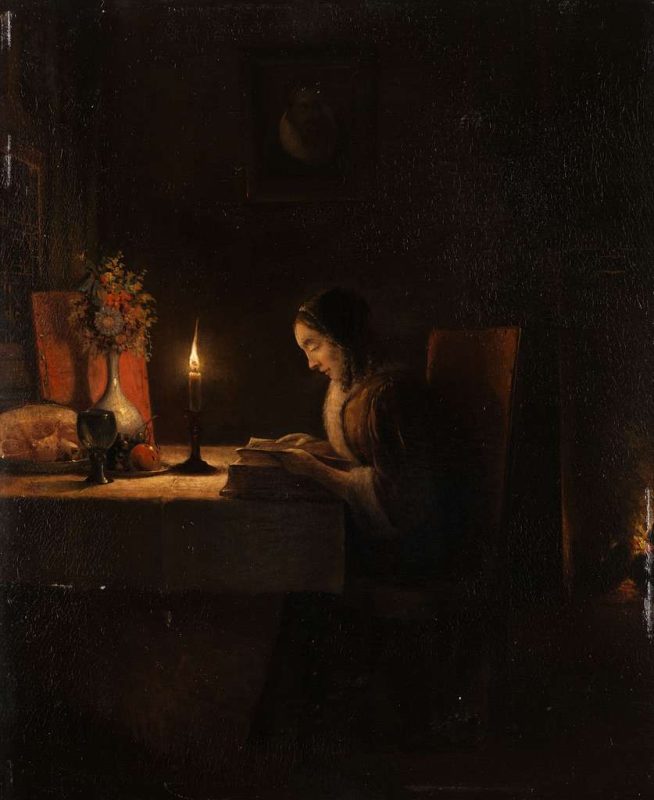
In the Regency era, candles were an essential source of light, but they were also a luxury item for many households. The process of making candles, known as candle dipping, was a labour-intensive craft that required skill and patience. The quality and type of candles a household used were often indicators of its wealth and social standing.
The Process of Candle Dipping
Candle dipping involved repeatedly dipping a wick into melted tallow (animal fat) or beeswax to build up layers of wax. Tallow candles were the most common, as they were inexpensive to produce, but they had a strong odour and produced a smoky flame. Beeswax candles, on the other hand, were cleaner and brighter but much more expensive, making them a luxury item reserved for the wealthy.
The process of candle dipping was time-consuming and required careful attention to ensure an even coating. The wicks, often made of cotton or hemp, had to be dipped multiple times to achieve the desired thickness. Once the candles were formed, they were hung to dry before being trimmed and stored.
The Social Significance of Candles
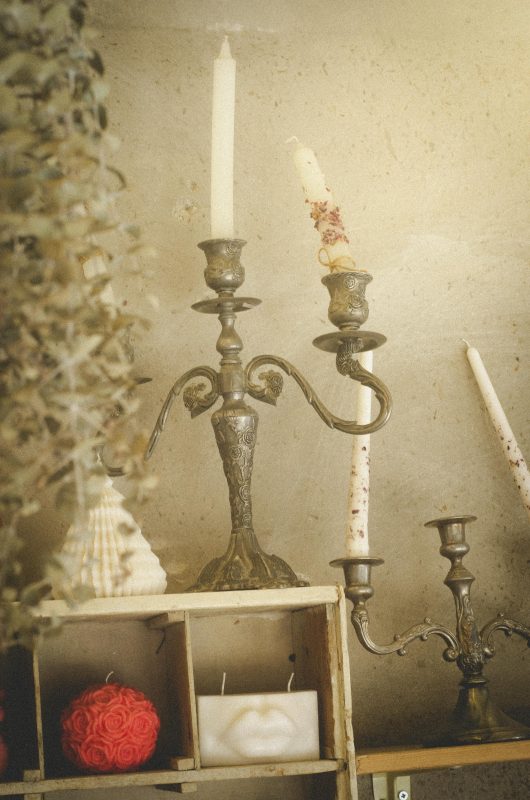
In the Regency era, candles were more than just a practical necessity; they were also a status symbol. Wealthy households used beeswax candles, which burned cleanly and emitted a pleasant scent, while poorer families relied on tallow candles or even rushlights, which were made by dipping dried rushes in fat. The number and quality of candles in a home were often seen as indicators of its owner’s wealth and taste.
Candles also played a role in social gatherings, where they provided both light and ambiance. Evening parties and balls were illuminated by dozens of candles, creating a warm and inviting atmosphere. The cost of lighting these events was significant, further emphasising the host’s wealth and generosity.
The Decline of Candle Dipping
The advent of new technologies, such as gas lighting and the production of paraffin wax candles, eventually made candle dipping obsolete. These innovations provided a more efficient and affordable source of light, reducing the demand for handmade candles. However, the craft of candle dipping remains a fascinating glimpse into the daily life and social customs of the Regency era.
Conclusion
Candle dipping was an essential craft in the Regency era, providing light and luxury to households of all social classes. The process reflected the ingenuity and resourcefulness of the time, while the use of candles highlighted the era’s social hierarchies. Though the craft has largely disappeared, its legacy endures in the candles we use today.
References for Further Reading:
- Candles in Regency England
https://lahilden.com/candles-in-regency-england/ - Lighting the Darkness
https://janeaustensworld.com/tag/candles-in-the-regency-era/

Leave a Reply