In the Regency era, the treatment of mental illness was a controversial and often misunderstood field. The practitioners of this emerging discipline, often referred to as ‘mad doctors,’ were pioneers in the study of mental health, but their methods were frequently experimental and sometimes brutal. The Regency era marked a transitional period in the understanding of mental illness, as society began to move away from supernatural explanations and toward more scientific approaches.
The Rise of the Mad Doctors
The term ‘mad doctor’ was a colloquial name for early psychiatrists, who were often medical practitioners with an interest in mental health. These individuals sought to understand and treat conditions like melancholy, hysteria, and madness, which were poorly understood at the time. The Regency era saw the establishment of asylums, such as Bethlem Hospital (commonly known as Bedlam), where patients were housed and treated. However, these institutions were often overcrowded and underfunded, leading to inhumane conditions.
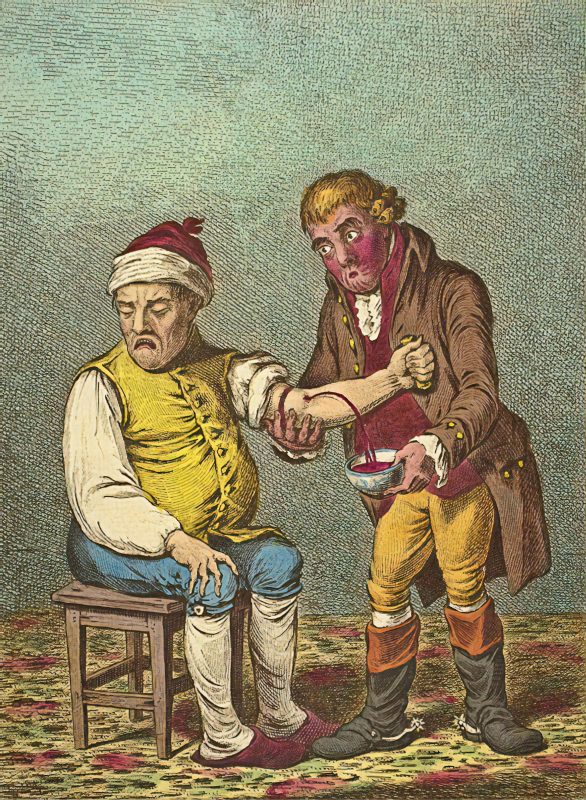
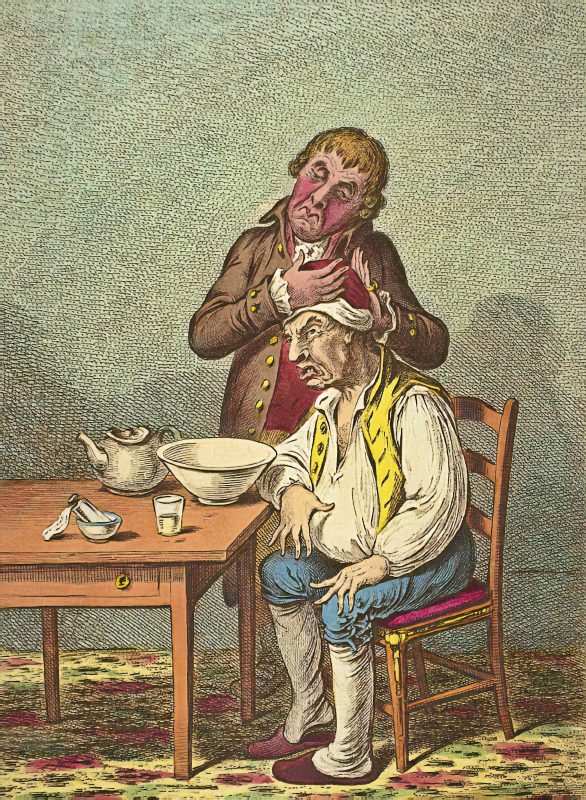
Mad doctors employed a variety of treatments, many of which were based on the prevailing medical theories of the time. These included bloodletting, purging, and the use of restraints. Some doctors also experimented with more innovative approaches, such as moral therapy, which emphasised kindness and a structured environment. However, the lack of a scientific understanding of mental illness meant that many treatments were ineffective or harmful.
Controversial Practices
One of the most controversial aspects of Regency-era psychiatry was the use of restraint and confinement. Patients were often chained or locked in small cells, with little regard for their comfort or dignity. The belief that mental illness was caused by moral failings or a lack of discipline led to harsh treatments designed to ‘correct’ the patient’s behaviour.
Another controversial practice was the use of mechanical devices, such as the rotating chair or the tranquiliser chair, which were intended to calm agitated patients. These devices were often painful and terrifying, causing further distress to those they were meant to help. Despite these harsh methods, some mad doctors genuinely sought to improve the lives of their patients, advocating for better conditions and more humane treatment.
The Legacy of Mad Doctors
The work of Regency-era mad doctors laid the groundwork for modern psychiatry, but it also highlighted the need for ethical standards and scientific rigour in the treatment of mental illness. The era’s experiments and failures served as a cautionary tale, prompting later generations to develop more effective and compassionate approaches to mental health care.
Conclusion
The mad doctors of the Regency era were both pioneers and products of their time, grappling with the complexities of mental illness in an age of limited knowledge. Their work, though often flawed, marked an important step in the evolution of psychiatry and the understanding of mental health.
References for Further Reading:
- Mental health, Regency-style
https://riskyregencies.com/mental-health-regency-style/ - Who Were the Mad Doctors?
https://www.psychological-evaluations.com/post/who-were-the-mad-doctors

Leave a Reply