In the Regency era, where one lived was a significant marker of social standing. Addresses in prestigious neighbourhoods like Mayfair and Grosvenor Square were highly coveted, as they signalled wealth, influence, and connections. These areas became synonymous with the elite, and living there was a key part of maintaining one’s status in society.
The Importance of Location
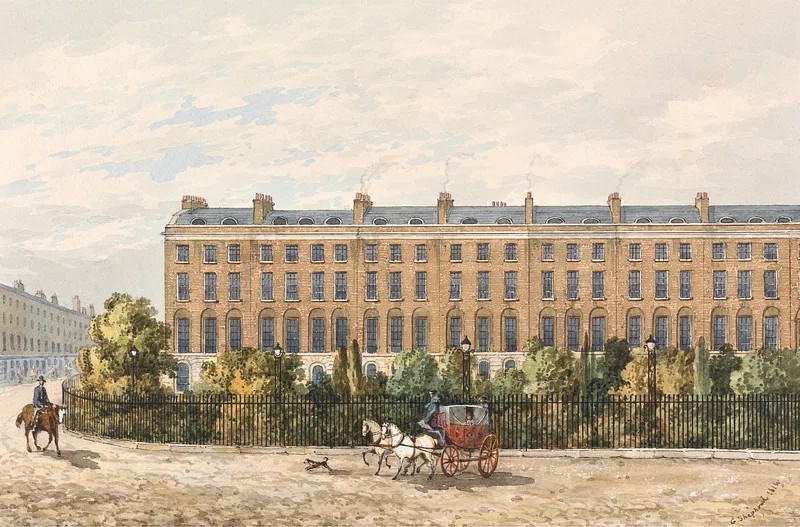
During the Regency era, London was a city of stark contrasts, with affluent neighbourhoods standing in sharp relief to the poverty of the slums. For the upper classes, living in the right area was essential for maintaining their social standing. Mayfair, located in the West End of London, was one of the most desirable neighbourhoods. It was home to grand townhouses, elegant squares, and exclusive clubs, making it the epitome of luxury and refinement.
Grosvenor Square, in particular, was a symbol of wealth and power. Its central location and proximity to Hyde Park made it a favourite among the aristocracy. Residents of Grosvenor Square included dukes, earls, and other members of the peerage, as well as wealthy merchants and industrialists who had risen to prominence.
The Social Life of Fashionable Addresses
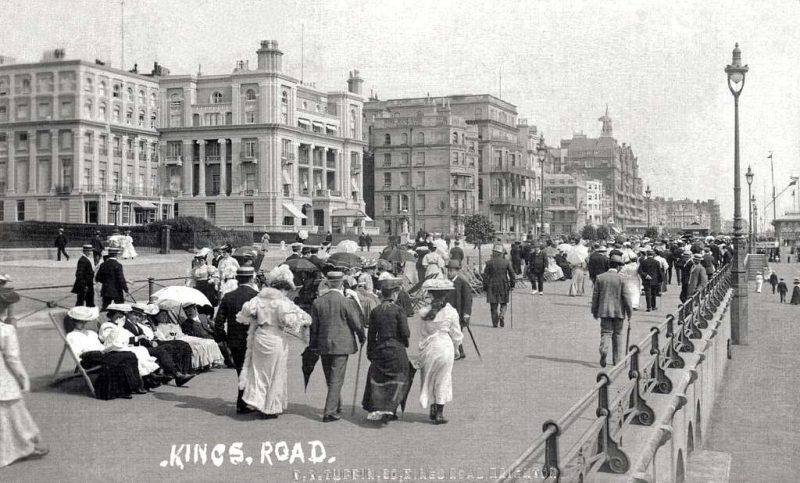
Living in a fashionable address was not just about the physical location; it was also about the social opportunities it afforded. Mayfair and Grosvenor Square were hubs of social activity, with residents hosting lavish balls, dinners, and soirées. These events were crucial for networking, forming alliances, and showcasing one’s wealth and taste.
The proximity to other elite families also made it easier to maintain social connections. Walking in Hyde Park or attending the theatre was not just a leisure activity but a way to see and be seen. For young women, living in a fashionable address increased their chances of making a good match, as it placed them in close proximity to eligible bachelors.
The Cost of Fashionable Living
Maintaining a residence in Mayfair or Grosvenor Square was expensive, with high rents and the cost of furnishing and staffing a grand townhouse. For those who could afford it, however, the investment was worth it. A fashionable address was a key part of one’s identity and a way to signal one’s place in the social hierarchy.
The Legacy of Fashionable Addresses
The allure of Mayfair and Grosvenor Square has endured, with these neighbourhoods remaining some of the most exclusive and expensive in London. The Regency era’s emphasis on location as a marker of status has left a lasting impact, influencing how we perceive wealth and social standing today.
Conclusion
The Regency era’s fashionable addresses were more than just places to live; they were symbols of wealth, power, and social standing. Neighbourhoods like Mayfair and Grosvenor Square were at the heart of elite society, providing a backdrop for the social and political dramas of the time. Their legacy continues to shape our understanding of status and prestige.
References for Further Reading:
- A Fashionable Georgian Address: Grosvenor Square
https://thecozydrawingroom.com/2014/10/06/a-fashionable-georgian-address-grosvenor-square/ - Grosvenor Square
https://en.wikipedia.org/wiki/Grosvenor_Square

Leave a Reply