In the Regency era, parlour games were a cornerstone of social gatherings, providing entertainment and fostering camaraderie among guests. With no modern forms of entertainment like television or the internet, these games were essential for breaking the ice and creating a lively atmosphere. Games like charades, blind man’s bluff, and whist were not only fun but also reflected the social dynamics and values of the time.
The Popularity of Parlour Games
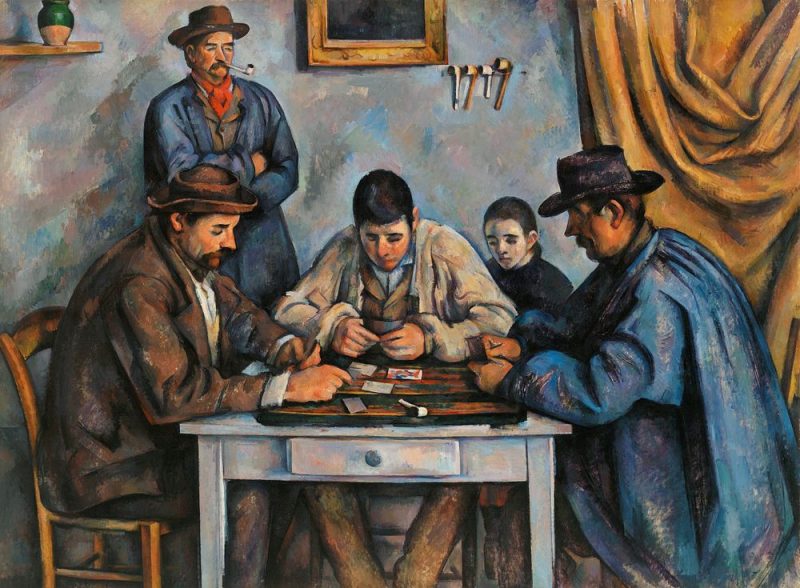
Parlour games were a staple of Regency-era entertainment, particularly among the upper and middle classes. They were played in the drawing rooms or parlours of homes, hence the name. These games were designed to be inclusive, allowing both men and women to participate and showcase their wit, creativity, and social skills. They were especially popular at evening parties, where guests would gather after dinner to enjoy music, conversation, and games.
Charades, a game of acting out words or phrases without speaking, was one of the most beloved parlour games. It required quick thinking and creativity, making it a favourite among the witty and theatrical. Blind man’s bluff, a more physical game, involved a blindfolded player trying to catch and identify others, often leading to laughter and playful chaos. Card games like whist and piquet were also common, offering a more subdued but equally engaging form of entertainment.
Social Significance of Parlour Games
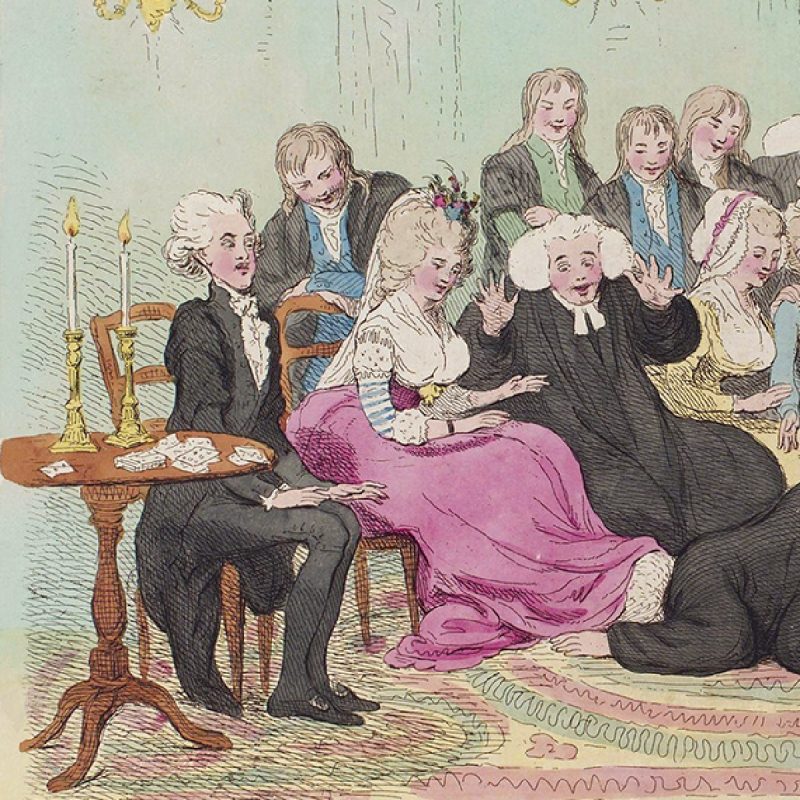
Parlour games were more than just pastimes; they were a reflection of the social dynamics of the time. They allowed for flirtation, competition, and the display of wit and intelligence, all within the bounds of propriety. For young men and women, these games provided an opportunity to interact in a socially acceptable way, often under the watchful eyes of chaperones. They also served as a way to gauge compatibility and personality, which was crucial in a society where marriage was a primary goal.
The games also highlighted the importance of social skills and etiquette. A good player was not only skilled at the game itself but also gracious in victory and defeat. This emphasis on manners and decorum was a key aspect of Regency society, and parlour games were a microcosm of these values.
The Decline of Parlour Games
As society evolved and new forms of entertainment emerged, parlour games gradually fell out of favour. The rise of industrialisation, urbanisation, and technological advancements shifted social habits, and the intimate gatherings of the Regency era became less common. However, the legacy of these games lives on in modern party games and team-building activities, which still emphasise interaction and camaraderie.
Conclusion
The parlour games of the Regency era were a vital part of social life, providing entertainment and fostering connections among guests. They reflected the values and dynamics of the time, emphasising wit, creativity, and social etiquette. While these games may no longer be a central part of modern gatherings, their influence can still be seen in the way we entertain and interact with one another today.
References for Further Reading:
- Games Played During the Regency Era
https://www.janeaustensummer.org/post/games-played-during-the-regency-era - Regency Parlor Games
https://www.heathermollauthor.com/post/regency-parlor-games

Leave a Reply