In the Regency era, mesmerism — a pseudoscientific practice based on the concept of ‘animal magnetism’ — captivated the public’s imagination. Developed by German physician Franz Anton Mesmer in the late 18th century, mesmerism claimed to harness an invisible natural force to heal ailments and influence behaviour. Though widely discredited by the scientific community, mesmerism found a receptive audience in Regency England, where it became a popular form of entertainment and alternative medicine.
The Origins of Mesmerism
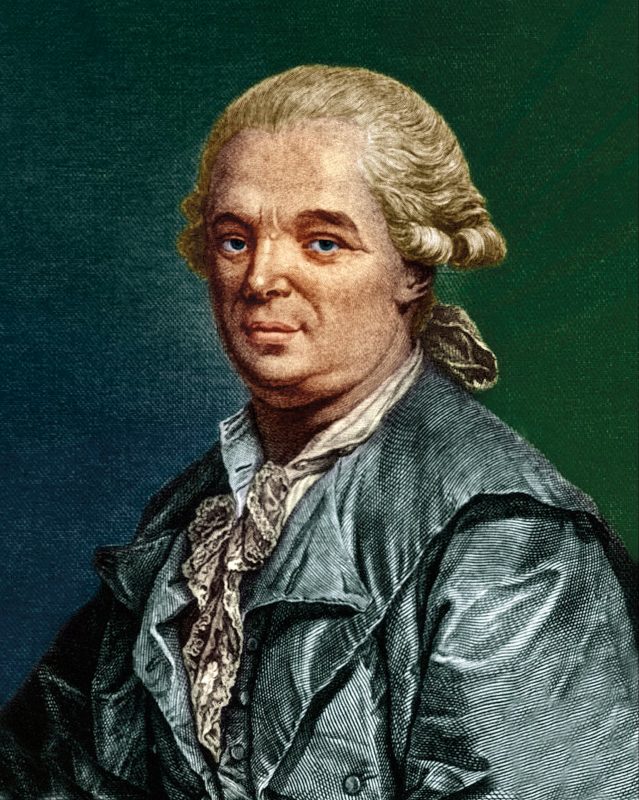
Franz Anton Mesmer
Franz Anton Mesmer proposed that an invisible fluid, which he called ‘animal magnetism,’ flowed through all living beings and could be manipulated to restore health and balance. Mesmer’s techniques involved passes of the hands over the patient’s body, often accompanied by dramatic gestures and hypnotic suggestions. He claimed that these practices could cure a wide range of physical and mental illnesses, from headaches to hysteria.
Mesmer’s ideas were met with scepticism by the medical establishment, but they gained a following among the public, particularly in France and England. By the Regency era, mesmerism had become a cultural phenomenon, with practitioners offering public demonstrations and private treatments.
The Appeal of Mesmerism
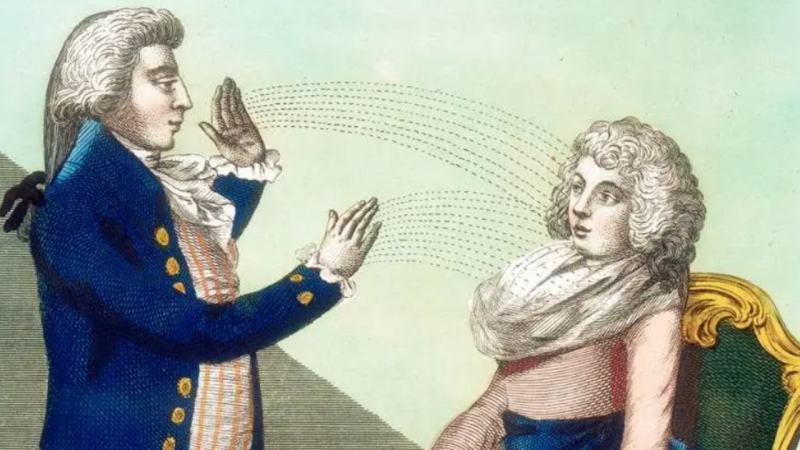
Mesmerism appealed to the Regency public’s fascination with science, mystery, and the supernatural. It offered a sense of wonder and possibility, promising to unlock the hidden powers of the mind and body. For those disillusioned with traditional medicine, mesmerism provided an alternative approach to healing, one that seemed both innovative and empowering.
Mesmerism also had a theatrical quality that made it a popular form of entertainment. Public demonstrations often featured dramatic performances, with subjects falling into trances or exhibiting strange behaviours. These spectacles captivated audiences and fuelled the public’s curiosity about the limits of human consciousness.
The Social Implications of Mesmerism
Mesmerism reflected broader cultural trends in the Regency era, including the rise of Romanticism and the growing interest in the subconscious mind. It challenged traditional notions of authority and expertise, suggesting that healing and insight could come from within rather than from external sources.
However, mesmerism also raised ethical concerns. Critics argued that it exploited vulnerable individuals and undermined the credibility of legitimate medical practices. The practice was often associated with charlatans and frauds, who used it to manipulate and deceive their audiences.
The Legacy of Mesmerism
While mesmerism was eventually discredited as a scientific theory, its influence can be seen in the development of hypnosis and psychotherapy. The idea that the mind could be influenced through suggestion and trance states laid the groundwork for later discoveries in psychology and neuroscience.
Conclusion
The Regency fascination with mesmerism reflects the era’s curiosity about the mysteries of the mind and the possibilities of science. Though it was ultimately dismissed as pseudoscience, mesmerism played a significant role in shaping cultural attitudes toward health, healing, and human potential. Its legacy lives on in the continued exploration of the mind’s hidden powers.
References for Further Reading:
- Animal Magnetism
https://en.wikipedia.org/wiki/Animal_magnetism - Anton Mesmer and His Animal Magnetism
https://www.rcpe.ac.uk/heritage/heritage-blog/anton-mesmer-and-his-animal-magnetism

Leave a Reply