The Regency era saw a surge of interest in ancient Egypt, sparked by Napoleon’s campaigns in Egypt (1798–1801) and the subsequent publication of the Description de l’Égypte. This fascination, known as Egyptomania, influenced art, architecture, fashion, and even literature, leaving a lasting mark on Regency culture. The allure of Egypt’s ancient mysteries captivated the public imagination, blending exoticism with a sense of historical grandeur.
The Origins of Egyptomania
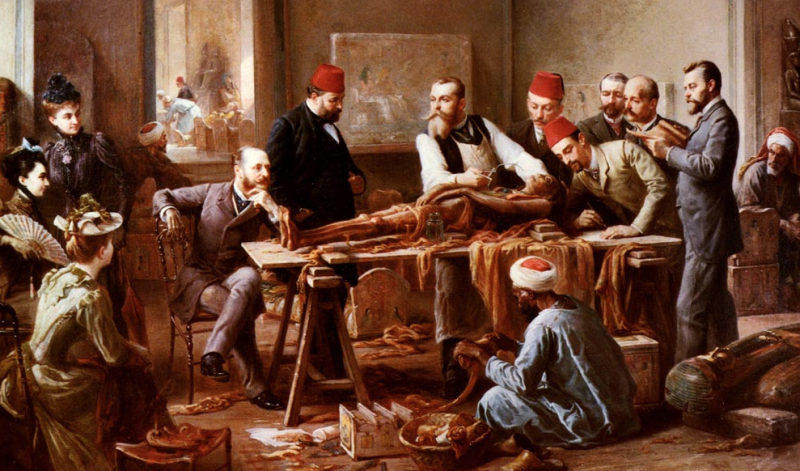
Napoleon’s invasion of Egypt brought the wonders of ancient Egyptian civilisation to the attention of Europe. The discovery of the Rosetta Stone and the detailed records of Egyptian monuments and artifacts published in the Description de l’Égypte fuelled a wave of interest in Egypt’s history and culture. This fascination was further amplified by the arrival of Egyptian antiquities in European museums and private collections.
Egyptomania in Art and Design
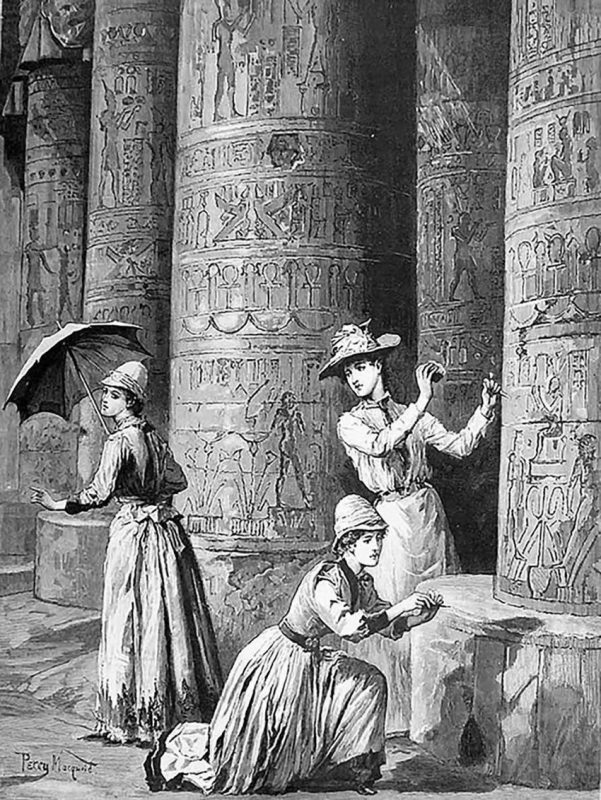
The influence of Egyptomania was evident in the decorative arts and architecture of the Regency era. Designers incorporated Egyptian motifs, such as obelisks, sphinxes, and hieroglyphs, into furniture, textiles, and jewellery. The Egyptian Hall in London, completed in 1812, was a prime example of this trend, with its elaborate Egyptian-inspired façade and interior.
Fashion also embraced Egyptomania, with women wearing jewellery and accessories featuring scarabs, lotus flowers, and other Egyptian symbols. Men’s clothing, too, reflected the trend, with cravats and waistcoats adorned with Egyptian patterns.
Egyptomania in Literature and Entertainment
The fascination with Egypt extended to literature and entertainment. Writers like Percy Bysshe Shelley and Thomas Love Peacock incorporated Egyptian themes into their works, while theatrical productions and exhibitions brought the wonders of Egypt to life for Regency audiences. The exoticism and mystery of ancient Egypt provided a rich source of inspiration for artists and storytellers.
The Legacy of Egyptomania
While the intensity of Egyptomania waned after the Regency era, its influence can still be seen in modern art, architecture, and popular culture. The fascination with ancient Egypt continues to captivate the public imagination, reflecting the enduring appeal of its history and mysteries.
Conclusion
The Regency fascination with Egyptomania was a cultural phenomenon that left a lasting mark on art, design, and literature. It reflected the era’s curiosity about the wider world and its desire to connect with the grandeur of ancient civilisations. The legacy of Egyptomania lives on in the continued appreciation for the art and culture of ancient Egypt.
References for Further Reading:
- A Brief Compendium of Egyptomania
https://www.messynessychic.com/2023/03/23/a-brief-compendium-of-egyptomania/ - Victorian Egyptomania: Why Was England So Obsessed With Egypt?
https://www.thecollector.com/victorian-egyptomania/

Leave a Reply