In the Regency era, hairstyles were not merely a matter of personal grooming; they were a form of art, a statement of social status, and a reflection of the wearer’s taste and personality. The hairdresser, or ‘hair artist,” was a key figure in achieving the elaborate and often extravagant hairstyles that defined the period. From towering wigs to intricate braids, Regency hairstyles required skill, creativity, and a deep understanding of the tools and techniques of the trade. The hairdresser’s craft was a blend of artistry and practicality, and their work played a central role in the fashion and culture of the time.
The Tools and Techniques of the Regency Hairdresser
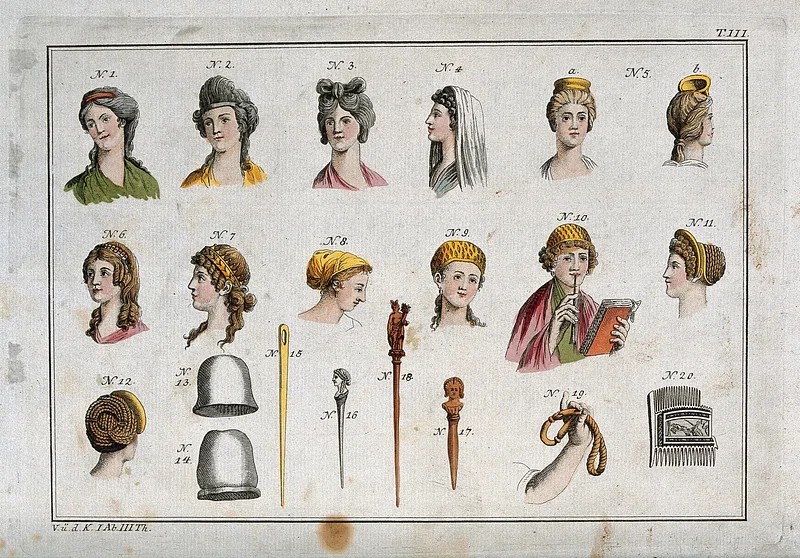
Regency hairdressers employed a variety of tools and products to create their masterpieces. Curling irons, heated over a flame, were used to create the tight curls and ringlets that were so fashionable. Pomades, made from animal fat or plant oils, were applied to add shine and hold to the hair. Powder, often made from starch or flour, was used to achieve the fashionable white or gray colour that was popular among the elite. False hair, sourced from peasants or imported from abroad, was frequently used to add volume and length to natural hair.
The process of styling hair was time-consuming and often uncomfortable. Women would sit for hours while their hairdressers worked, weaving ribbons, flowers, and even jewels into their hair. The results were often breathtaking, with hairstyles resembling works of art more than mere hairdos. Men, too, sought the services of hairdressers, particularly for the elaborate wigs that were still in fashion among the older generation.
The Social Significance of Hairstyles
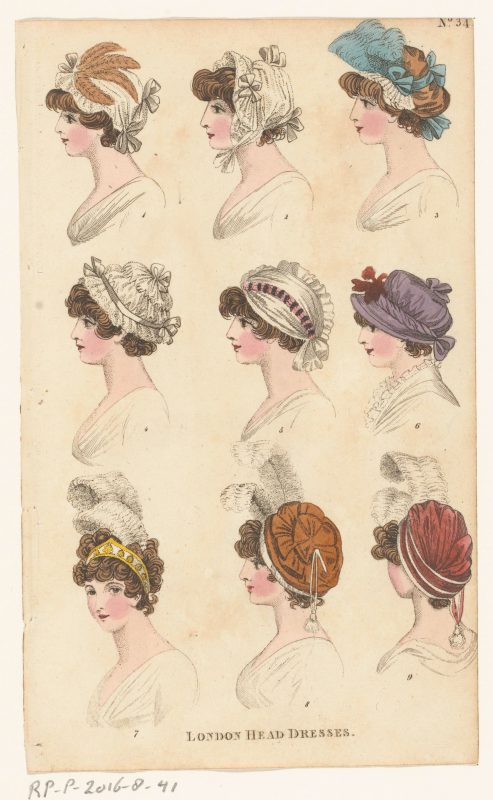
Hairstyles in the Regency era were a reflection of social status and personal taste. Elaborate styles were a mark of wealth and sophistication, as they required both time and money to maintain. For women, in particular, hairstyles were a way to express individuality and attract attention. A well-coiffed head of hair was considered a sign of beauty and refinement, and women often competed to have the most fashionable hairstyles at balls and social gatherings.
Hairstyles also had symbolic meanings. For example, the use of powder and elaborate wigs was associated with the aristocracy, while simpler, more natural styles were favoured by the middle class. The choice of hairstyle could also convey political or cultural affiliations. During the French Revolution, for instance, women in England adopted simpler hairstyles as a rejection of the excesses of the French aristocracy.
The Challenges of Regency Hairstyles
While Regency hairstyles were undeniably beautiful, they were not without their challenges. The heavy use of powder and pomades could make hair stiff and difficult to manage. The elaborate structures of some hairstyles required the use of padding, wire, and even cages to maintain their shape. These styles were often uncomfortable to wear and could cause headaches or neck pain. Additionally, the use of false hair and heavy products made hygiene a challenge, as washing hair was a time-consuming and infrequent process.
The Decline of Elaborate Hairstyles
By the mid-19th century, hairstyles had become simpler and more natural, reflecting changing fashion trends and social norms. The elaborate styles of the Regency era gave way to softer, more practical looks that were easier to maintain. However, the legacy of the Regency hairdresser lives on in the world of modern hairstyling, where creativity and skill continue to be valued. The techniques and tools developed during the Regency era laid the groundwork for the hairstyling practices we know today.
Conclusion
The Regency hairdresser was a master of their craft, creating elaborate and innovative styles that defined the era’s fashion. Their work highlights the importance of hair as a form of self-expression and social signalling. While the elaborate hairstyles of the Regency era may seem impractical by modern standards, they remain a testament to the creativity and artistry of the time. The legacy of the Regency hairdresser endures in the continued fascination with hair as a medium for artistic expression.
References for Further Reading:
- Pictorial History of Regency Hairstyles
https://janeaustensworld.com/2013/03/17/pictorial-history-of-regency-hairstyles/ - Headdresses and hairstyles for Regency evenings
https://www.regencyhistory.net/blog/regency-fashion-headdresses-and-hairstyles

Leave a Reply