In the Regency era, the phaeton was the ultimate status symbol for the wealthy elite. These lightweight, fast carriages were designed for speed and elegance, allowing their owners to showcase their wealth and taste while navigating the streets of London or the countryside. The phaeton was more than just a mode of transportation; it was a statement of sophistication and modernity.
The Design of the Phaeton
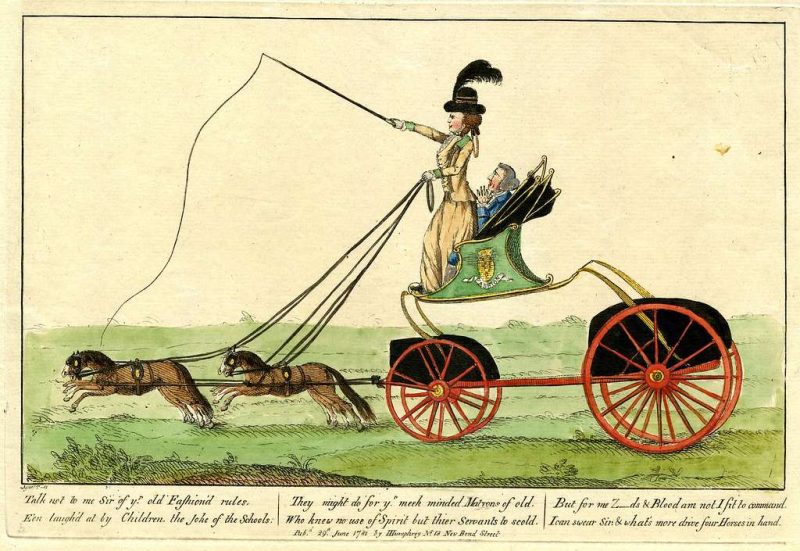
Phaetons were characterised by their high wheels, lightweight construction, and open design. They were typically drawn by two or four horses and featured a minimalistic frame that emphasised speed and agility. Unlike heavier carriages, phaetons were designed for personal use, often driven by their owners rather than professional coachmen.
There were several types of phaetons, including the ‘high-perch’ phaeton, which had elevated seats for better visibility, and the ‘spider’ phaeton, known for its delicate, spidery wheels. Each design catered to the preferences of the elite, who valued both performance and aesthetics.
The Social Significance of the Phaeton
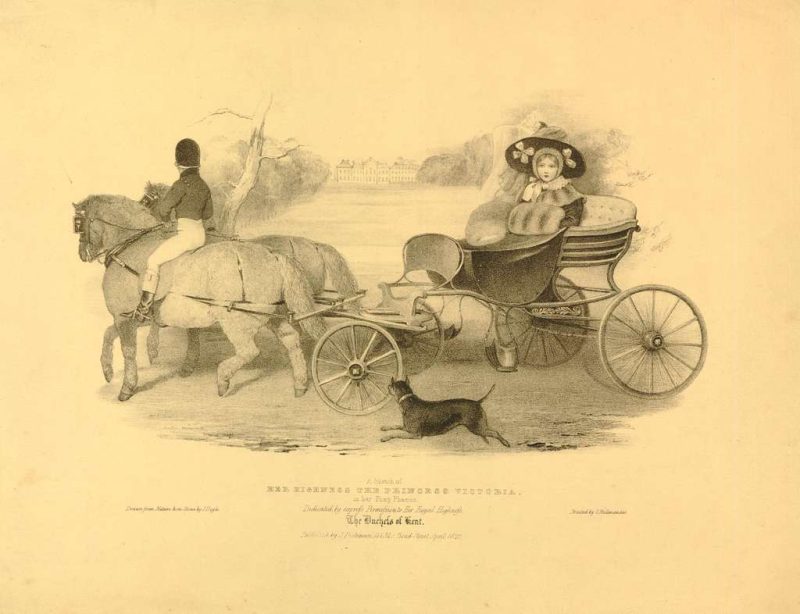
Owning a phaeton was a mark of distinction, signalling not only wealth but also a certain daring and independence. Driving a phaeton required skill and confidence, as the lightweight design made it more challenging to handle than traditional carriages. For women, in particular, driving a phaeton was a bold statement, as it defied the era’s expectations of feminine delicacy.
The phaeton also reflected the Regency era’s fascination with speed and innovation. As roads improved and travel became more accessible, the phaeton represented a new era of mobility and freedom.
The Decline of the Phaeton
By the mid-19th century, the phaeton had fallen out of favour, replaced by more practical and comfortable carriages. However, its legacy endures in the world of equestrian sports and classic carriages, where its design continues to inspire.
Conclusion
The phaeton was a symbol of the Regency era’s elegance and ambition. It captured the spirit of a society that valued speed, style, and individuality, and its legacy lives on as a reminder of the era’s innovative spirit.
References for Further Reading:
- Phaeton
https://en.wikipedia.org/wiki/Phaeton_(carriage) - Private Carriages of the English Regency
https://shannondonnelly.com/2012/02/20/private-carraiges-of-the-english-regency/

Leave a Reply